This blog is written and contributed by Leigh Prezkop, Senior Program Officer, WWF
Reducing food loss on farms has long been one of the greatest untapped opportunities in tackling food waste. Yet despite growing awareness of the issue, one challenge has consistently stood in the way of meaningful action: a lack of reliable data.
That is exactly why the World Wildlife Fund developed the Global Farm Loss Tool (GFLT) – a practical, field-based measurement tool designed to help suppliers and buyers understand where food is being lost before it ever leaves the farm. Since Coalition members and their growers supported the beta testing of the GFLT in 2023, followed by its launch in collaboration with The Consumer Goods Forum’s (CGF) Food Waste Coalition of Action in 2024, we have seen encouraging progress as companies move beyond estimating farm losses and begin using real data to drive business decisions. Those early pilots helped validate the Tool’s practical, in-field methodology and demonstrated how robust farm-level data can support better business decisions across the supply chain.
From measurement to meaningful action
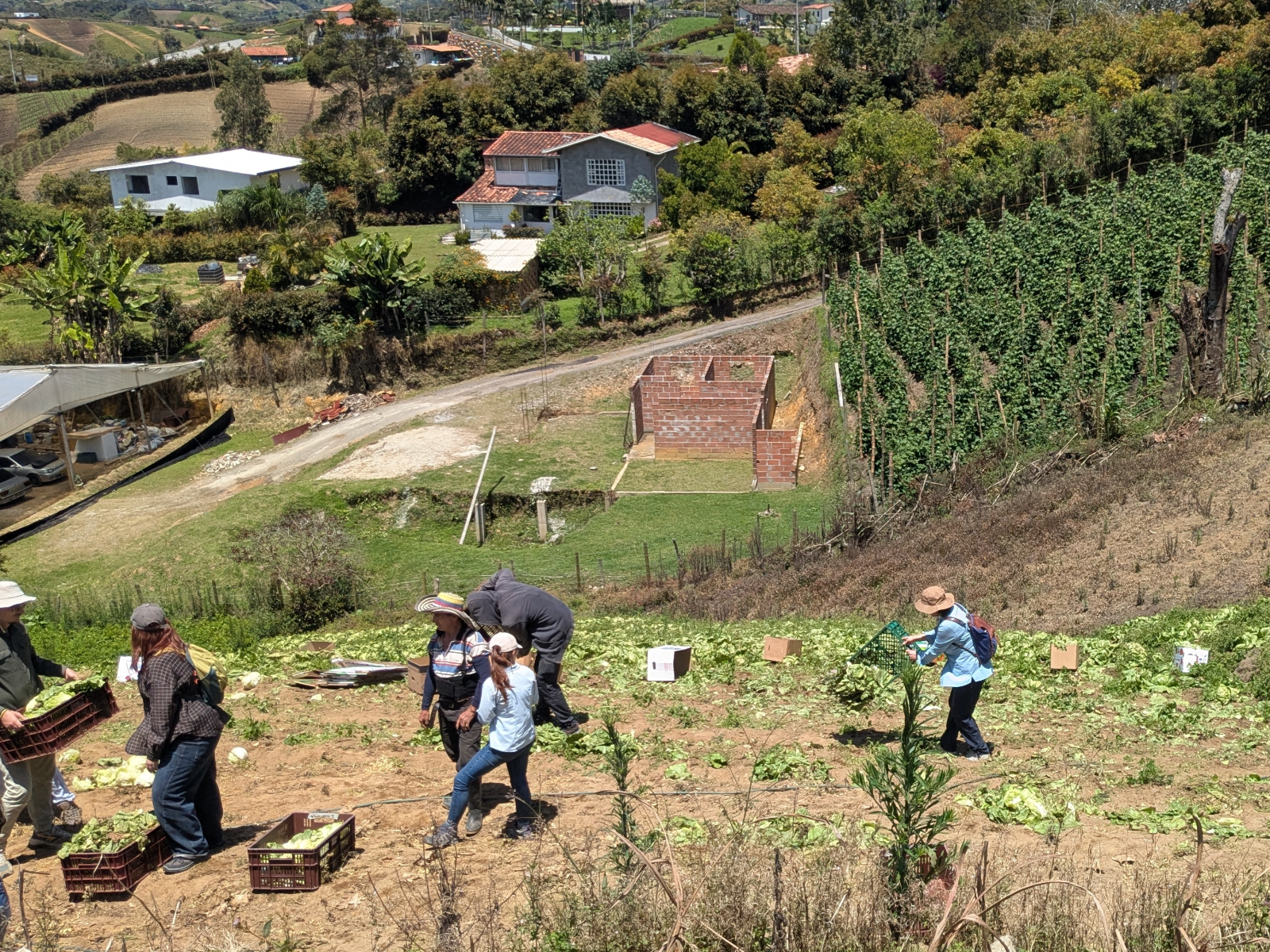
The GFLT helps companies and growers quantify on-farm losses by identifying not only how much food is lost, but also why it is lost, where it occurs, and whether that food remains edible or marketable. The Tool also estimates associated greenhouse gas emissions and water impacts, helping companies and growers to understand the environmental footprint of those losses.
Importantly, measuring farm loss is not simply about reporting another sustainability metric. The data creates opportunities for suppliers and buyers to work together, identify inefficiencies, unlock new markets for surplus produce, strengthen grower profitability, and build more resilient supply chains.
This aligns closely with the Food Waste Coalition of Action’s Target-Measure-Act approach. Once companies establish a baseline, they can identify priorities, implement interventions, and measure progress over time.
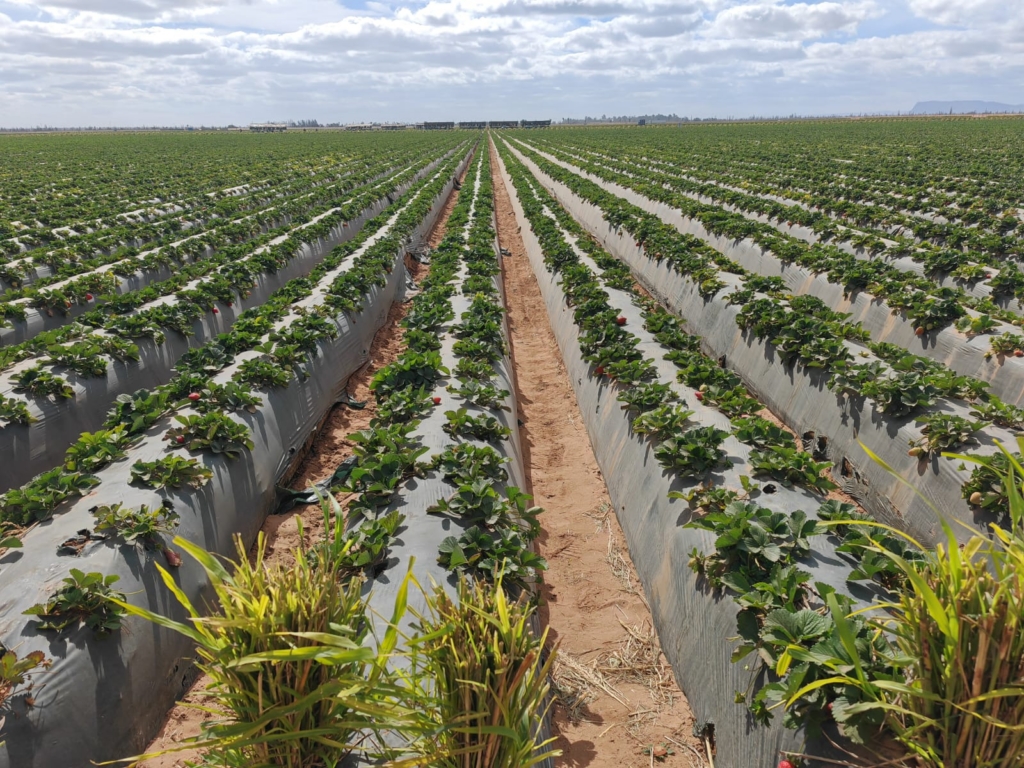
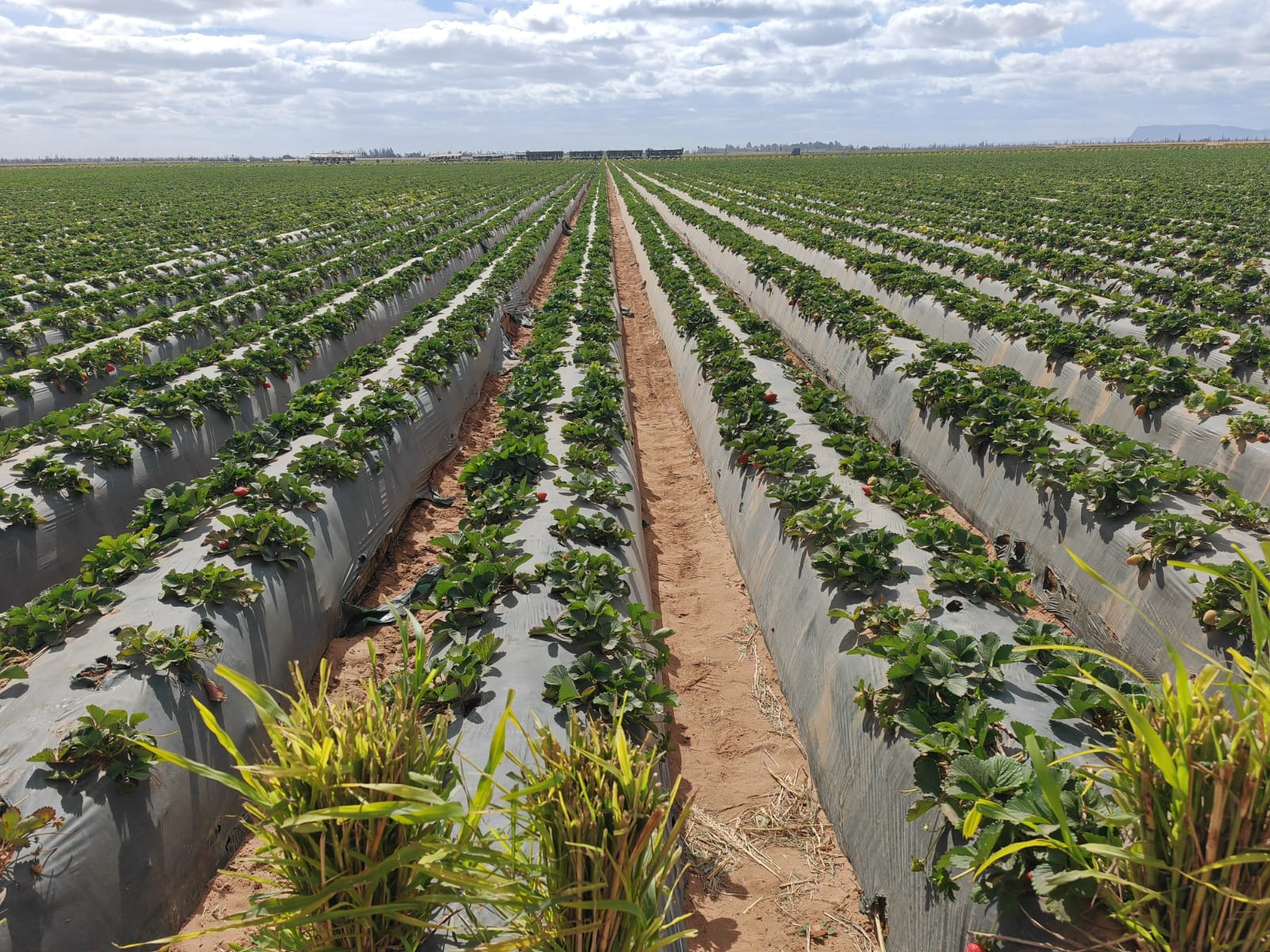
Establishing that baseline often reveals a far bigger opportunity than companies expect. Assessments in fresh produce show that 25% to 36% of crops like strawberries are routinely left behind in fields, even though up to 15% is perfectly edible surplus. Quantifying this volume gives companies the concrete data needed to unlock immediate financial returns—such as in recent trials in Mexico, where redirecting unharvested produce saved a single farm operation nearly $60,000 USD in disposal fees.
Early adoption across the Coalition
We are pleased to see members of the Food Waste Coalition of Action already putting the Tool into practice. Aldi Süd and Walmart are currently using the Global Farm Loss Tool to better understand losses within their agricultural supply chains, while a growing number of suppliers and food service companies are also adopting the methodology.
As more organisations collect comparable farm-level data, we are building a stronger evidence base for where interventions can have the greatest impact.
Turning insights into business opportunities
One of the most exciting aspects of the Global Farm Loss Tool is how quickly measurement can lead to innovation.
A whole-chain assessment of strawberry production identified that approximately 25% of the harvest was being left in the field despite remaining perfectly edible. Rather than viewing this as unavoidable loss, the data helped companies explore entirely new commercial opportunities.
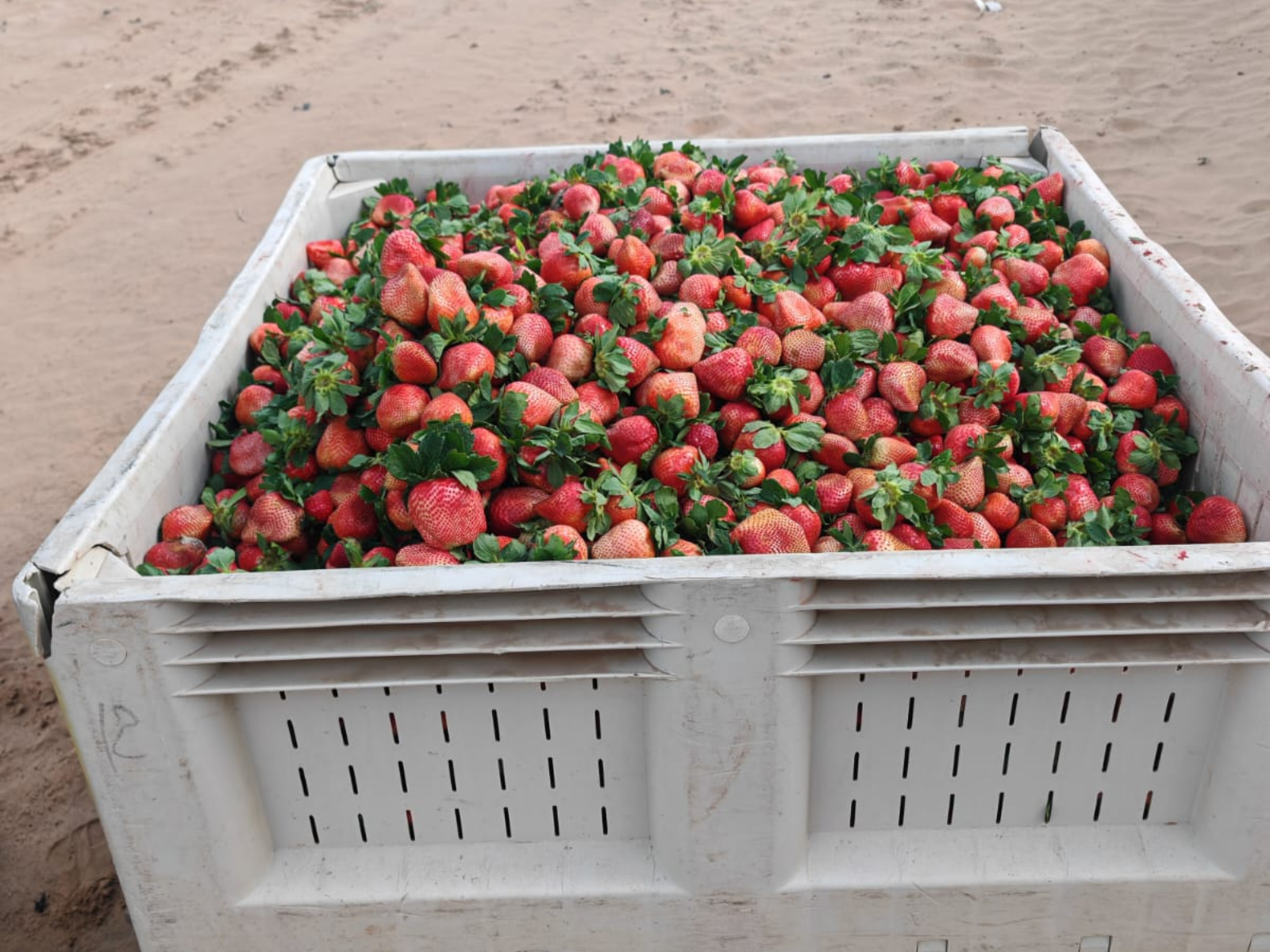
Following this work, Walmart launched a pilot using surplus strawberries to produce Great Value jam. During parts of the harvest season, the pilot reduced total farm losses by an estimated 50% across more than 30 acres, while also extending the harvest season and improving growers’ economic resilience. An unexpected additional benefit was improved field conditions: with fewer rotting berries left behind to attract pests, the grower reduced pesticide applications by 20%, demonstrating how reducing farm loss can also deliver positive environmental outcomes beyond waste reduction.
The lesson was clear: farm loss data can reveal opportunities that benefit growers, retailers and consumers alike.
Demonstrating measurable impact
Other pilots have reinforced the value of combining measurement with action.
Working with food service companies through the U.S. Food Waste Pact, participating organisations successfully redirected surplus strawberries into food service operations. The pilot achieved a 51% reduction in food loss, delivered an 80% higher value for produce previously destined for juicing, and reduced both greenhouse gas emissions and water use by approximately 30%.
Similarly, a sourcing pilot with Chobani helped participating strawberry growers achieve a 40% reduction in farm loss, alongside a 15% reduction in greenhouse gas emissions and water use.
These examples demonstrate that reducing farm loss is not simply an environmental initiative, it also creates tangible business value by improving resource efficiency, increasing revenue opportunities, strengthening supply chain resilience, and helping growers increase their earnings by capturing more value from every harvest.
Building momentum globally
The methodology is now supporting projects across multiple regions and commodities, helping organisations better understand losses in crops ranging from strawberries and melons to cacao and mangoes. As more suppliers and buyers contribute data, we are strengthening our collective understanding of where food loss occurs and which interventions deliver the greatest impact.
Perhaps most importantly, the Tool is helping shift conversations with growers. Instead of focusing solely on yield, companies can now discuss how to maximise the value of every harvest by identifying marketable and edible surplus, creating secondary markets, and reducing avoidable losses.
Looking ahead
Reducing food loss on farms represents one of the biggest opportunities to improve both environmental sustainability and food system resilience.
The progress we have seen so far demonstrates that when companies have access to robust, comparable data, they are far better equipped to collaborate with suppliers, make informed investment decisions, and unlock new sources of value across the supply chain.
As more members of the CGF’s Food Waste Coalition of Action begin measuring farm-stage losses, we will continue building the evidence needed to scale successful interventions globally.
The journey starts with one simple step: measuring what matters.