Public commitment
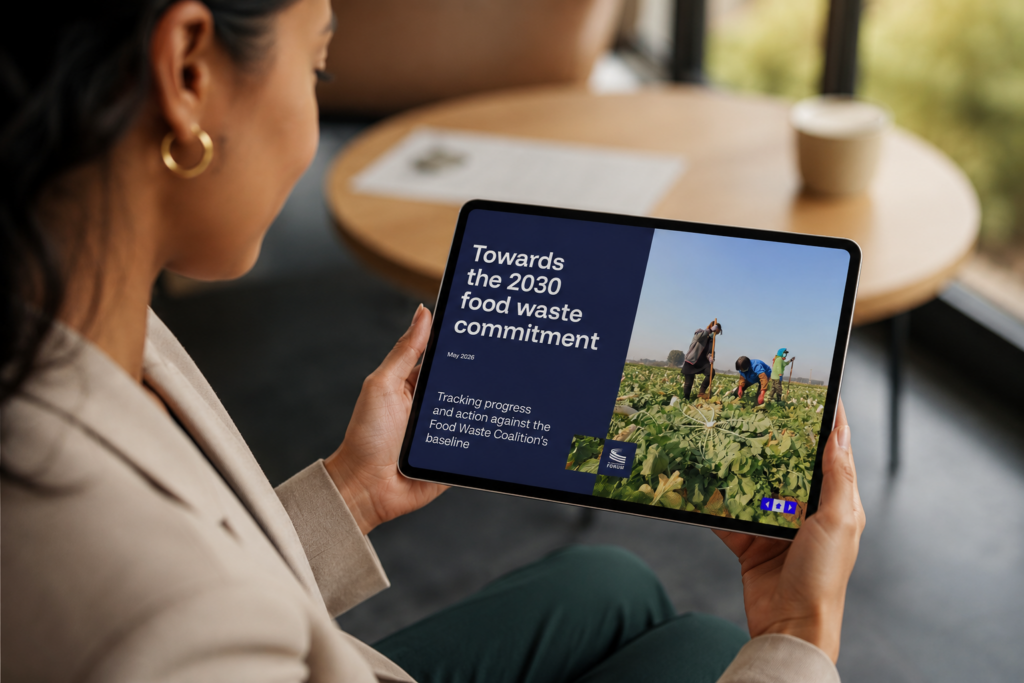
Publicly adopt and commit to a goal of halving food waste within their own operations by 2030 and strive to reduce food waste in their supply chain and at the customer level in alignment with SDG Target 12.3

Mobilising businesses across the food value chain to collaboratively reduce food loss and waste
Food waste represents a significant environmental, social, and economic crisis. Annually, approximately one-third of all food produced – around 1.3 billion tonnes – is lost, costing the global economy $940 billion. This waste generates 3.3 billion tonnes of greenhouse gases each year, ranking its carbon footprint as the third largest globally, after China and the US. Furthermore, the water used in the production of wasted food is equivalent to three times the volume of Lake Geneva. This occurs while one in nine people worldwide face hunger.
Recognising the gravity of this issue, members of the Coalition are committed to actively reducing food loss within their supply chains to foster meaningful change for both people and the planet.
Joining the Coalition offers members a unique platform for impactful collaboration in tackling food waste, delivering a "triple win": economic savings, increased food availability, and reduced environmental impact. The Coalition facilitates partnerships, unlocks new reduction opportunities, fosters dialogue with governments and NGOs, and enables knowledge sharing of best practices. By joining, members position themselves at the forefront of the fight against food waste, enhancing their reputation and contributing to a more sustainable future.

Publicly adopt and commit to a goal of halving food waste within their own operations by 2030 and strive to reduce food waste in their supply chain and at the customer level in alignment with SDG Target 12.3
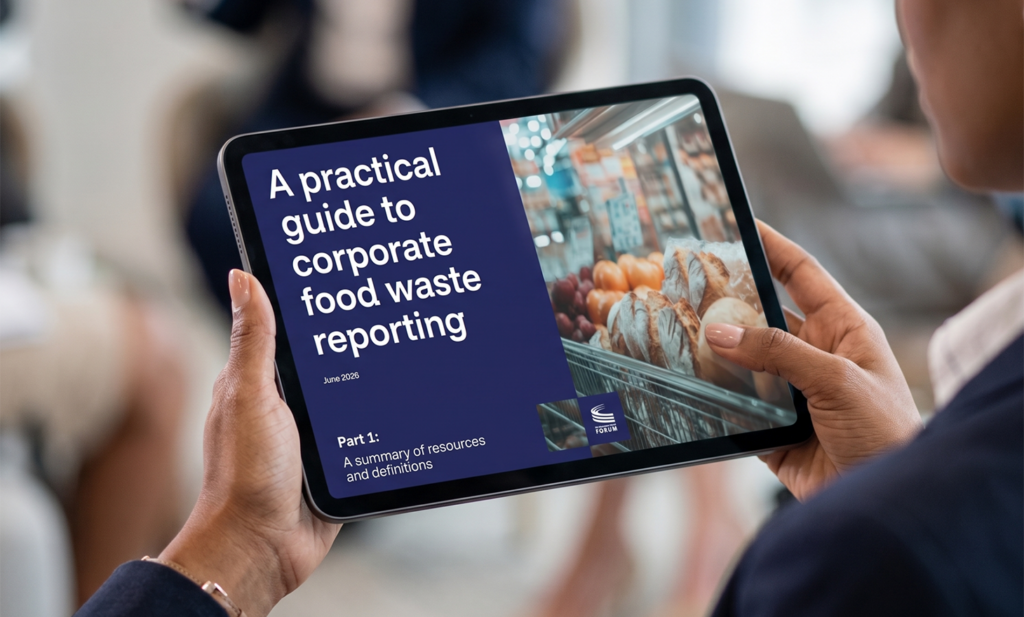
Measure food waste in their own operations (according to the Food Loss and Waste Standard) and report publicly through a harmonised approach

Act to reduce food waste both in their own operations and in partnership with suppliers, creating collaborations among Coalition companies where possible

Driving consumer engagement through collaborative campaigns, practical tools, and shared best practices to inspire behaviour change and reduce household food waste.
Our latest news