The CGF Golden Design Rules
The Coalitions set of nine Golden Design Rules seek to reduce the complexity of the recycling process and increasing recycling rates

Supporting the transition to a circular economy for plastic packaging waste
Moving from a linear to a circular economy requires a different approach to plastic usage, from production, consumption and reuse, to recycling and disposal. This new approach will require collaboration, voluntary knowledge and experience sharing, and creating partnerships with different sectors and organisations that, under different circumstances, might not normally have come together to act.
There is an urgent need to tackle the environmental problems associated with plastic waste, especially as 95% of plastic packaging is created for single use and packaging produced by our industry is on the rise globally. The United Nations Environmental Programme estimates that of the 8.3 billion tonnes of plastics produced since the 1950s, about 60 percent has ended up in a landfill or the natural environment. The 8-12 million tonnes of plastic litter that ends up in the ocean every year is one of the most visible and alarming signs of this problem.
But in 2026, sustainability for sustainability’s sake is no longer enough. Businesses should also focus on the commercial value of circularity. Smarter packaging design can reduce material costs, improve supply chain efficiency, respond to evolving regulation, strengthen consumer trust and unlock innovation. Building a circular economy is therefore not only an environmental imperative, but a strategic business opportunity for companies looking to remain future-ready.
With a common vision of a world where no plastic waste ends up in nature – land or sea – the CGF’s Coalition of Action on Plastic Waste and its member companies are committed to engage in this important effort.

The Coalitions set of nine Golden Design Rules seek to reduce the complexity of the recycling process and increasing recycling rates
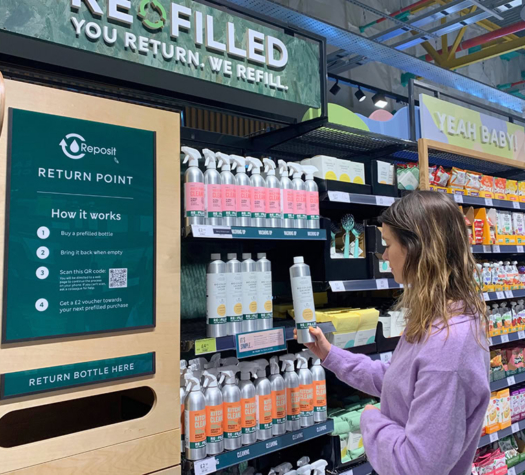
The Coalition, in collaboration with Reposit is working on plans for The Reuse City Canada Project — a city-scale initiative in Ottawa designed to enable consumers to buy, return and reuse everyday products across multiple retailers and brands.

The paper offers guidance to policymakers, industry leaders, and waste management stakeholders on how to design effective Extended Producer Responsibility (EPR) systems for packaging in contexts where waste systems face systemic challenges.

In March 2022, 16 Coalition member companies released a co-authored paper which encourages the development of new plastics recycling technologies (focusing on pyrolysis-based chemical recycling) that meet six key principles for credible, safe and environmentally sound development.