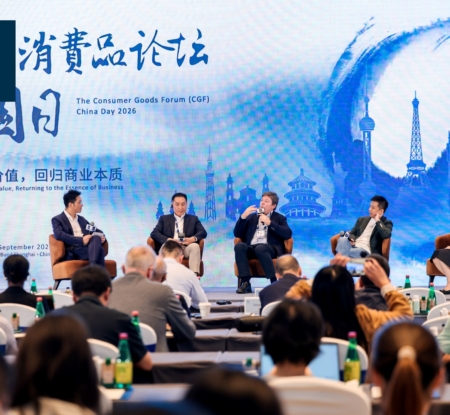
On September 9–10 in Shanghai, more than 550 executives and industry leaders gathered for CGF China Day 2026 to address the evolving landscape of the consumer goods sector, regionally and globally.
After a first day dedicated to overarching industry trends, Day 2 delivered deep-dives across four parallel forums: the 2026 GFSI China Day, 2026 CGF China Sustainability Day, 2026 CGF China Digital Supply Chain Roundtable, and 2026 CGF China Healthier Lives Roundtable.
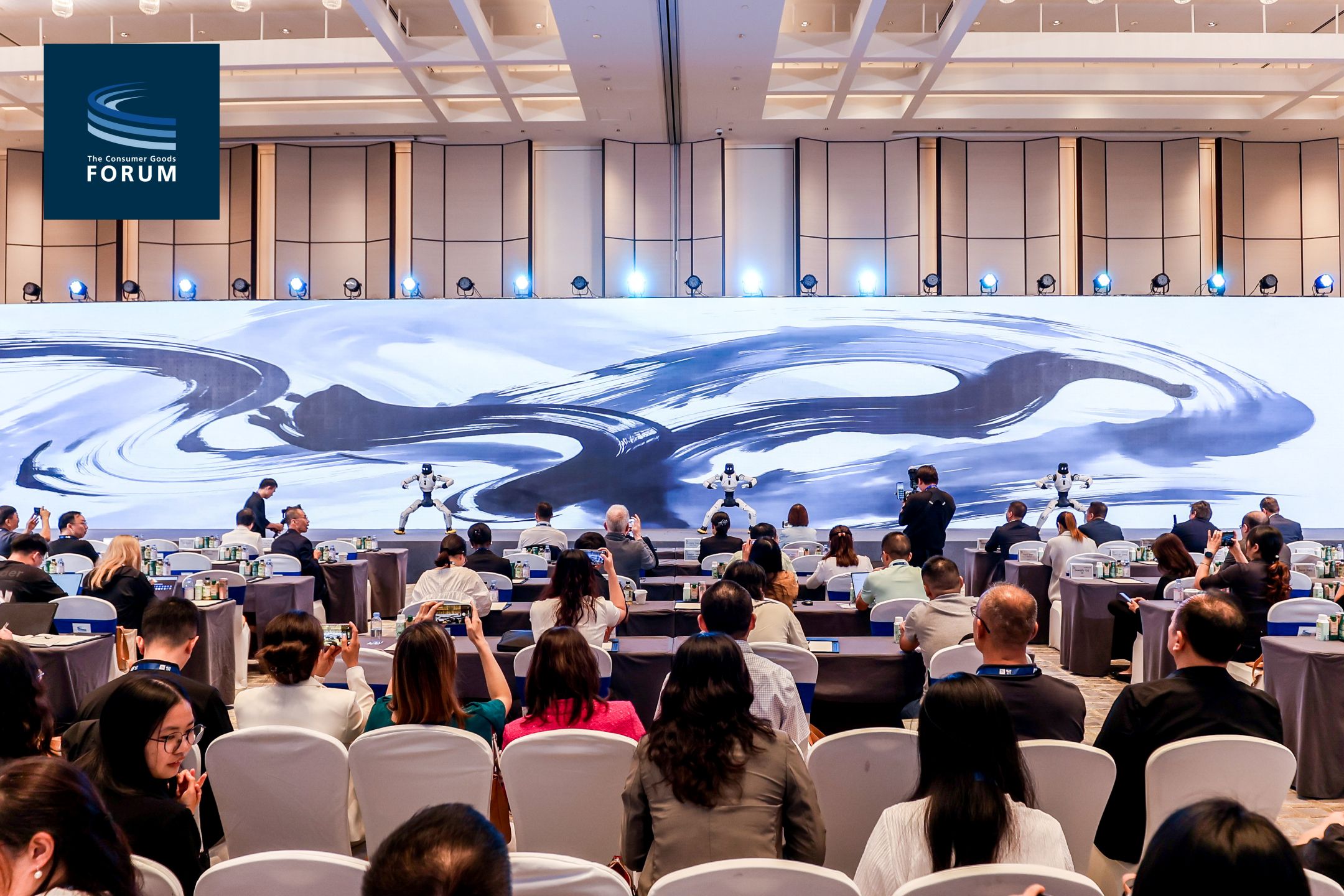
The conference kicked off with a martial arts demonstration powered by intelligent robots, setting an innovative tone for the event.
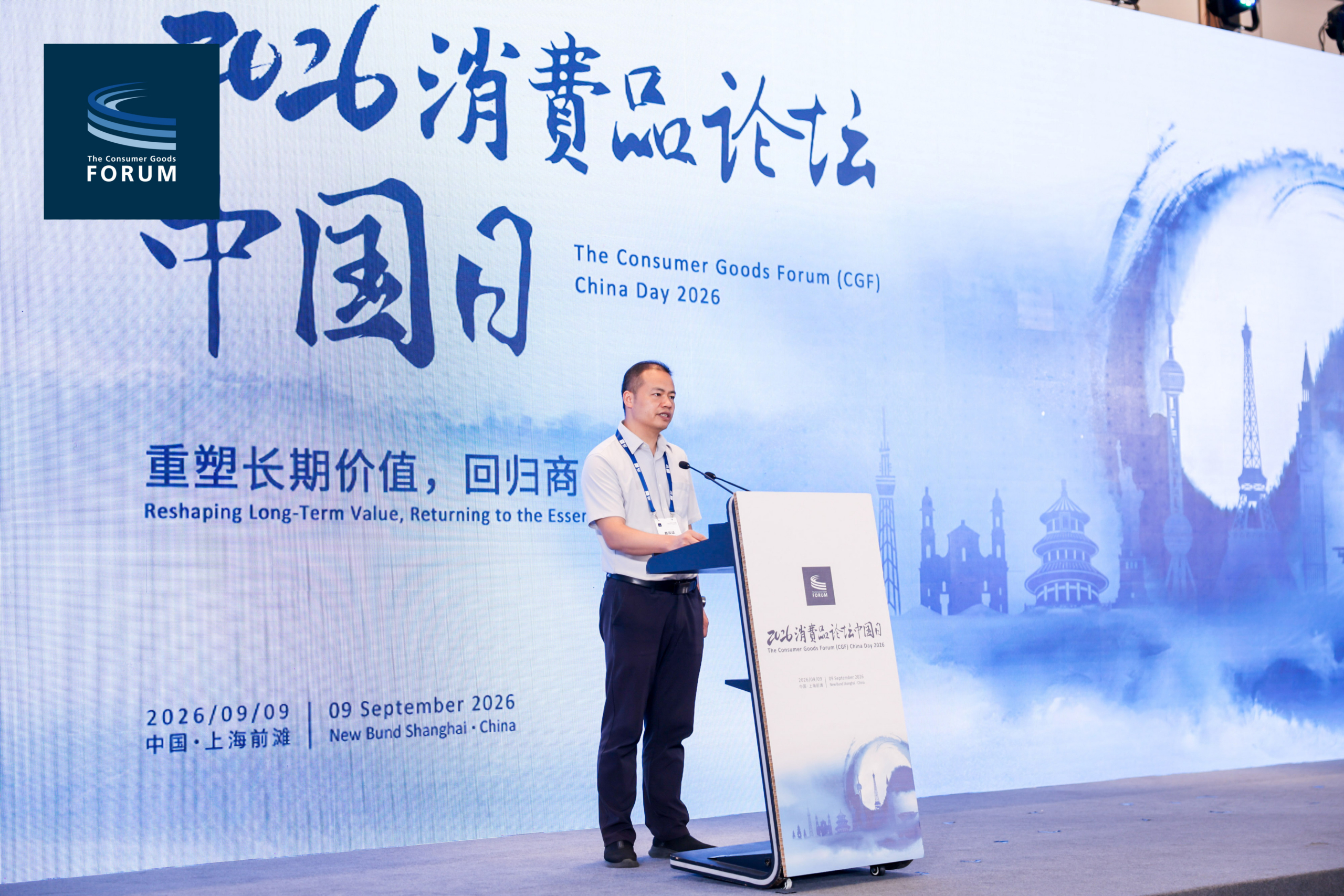
Mr. Hualong Wu, Director, General Affairs & Product Quality Division, Bureau of Quality Development, State Administration for Market Regulation, delivered remarks on behalf of the Bureau of Quality Development of the State Administration for Market Regulation. He first expressed his respect for the Forum’s efforts in promoting global consumer goods quality improvement and sustainable development, and wished the event a complete success. He pointed out that CGF brings together nearly 380 member companies worldwide, covering 70 countries and regions, and is an important platform for advancing quality supply in the global consumer goods industry. We are willing to work with all parties to jointly promote quality transformation through the “Three Strengths and One Foundation” approach — strengthening enterprises through quality, strengthening supply chains through quality, strengthening counties through quality, and building high-level quality infrastructure. He emphasized that he looks forward to strengthening quality cooperation with all parties, meeting the people’s needs for a better life with high-quality products and services, and providing solid support for the high-quality development of the global consumer goods industry.
Mr. Kevin Peng, President of the China Chain Store & Franchise Association (CCFA), pointed out that China’s retail industry is transitioning from an incremental market to a more mature stock competition stage. Consumers have become more rational, sales channels more diversified, and business formats more fast-evolving. Competition among enterprises has shifted from the past single-dimensional scale competition to comprehensive competition covering products, operational efficiency, consumer experience, supply chain capabilities and organizational strength. He stated that despite profound changes in the market landscape, the Chinese market still boasts abundant structural opportunities. Supported by a complete manufacturing system, robust supply chain resources, rapidly upgrading consumer demands and vibrant innovations in business models, China continues to unleash new growth momentum, as exemplified by emerging formats including discount snack stores, instant retail, content e-commerce and omni-channel fulfillment. Against this backdrop, Mr. Peng put forward three core insights regarding the collaborative relationship between retailers and brand suppliers.
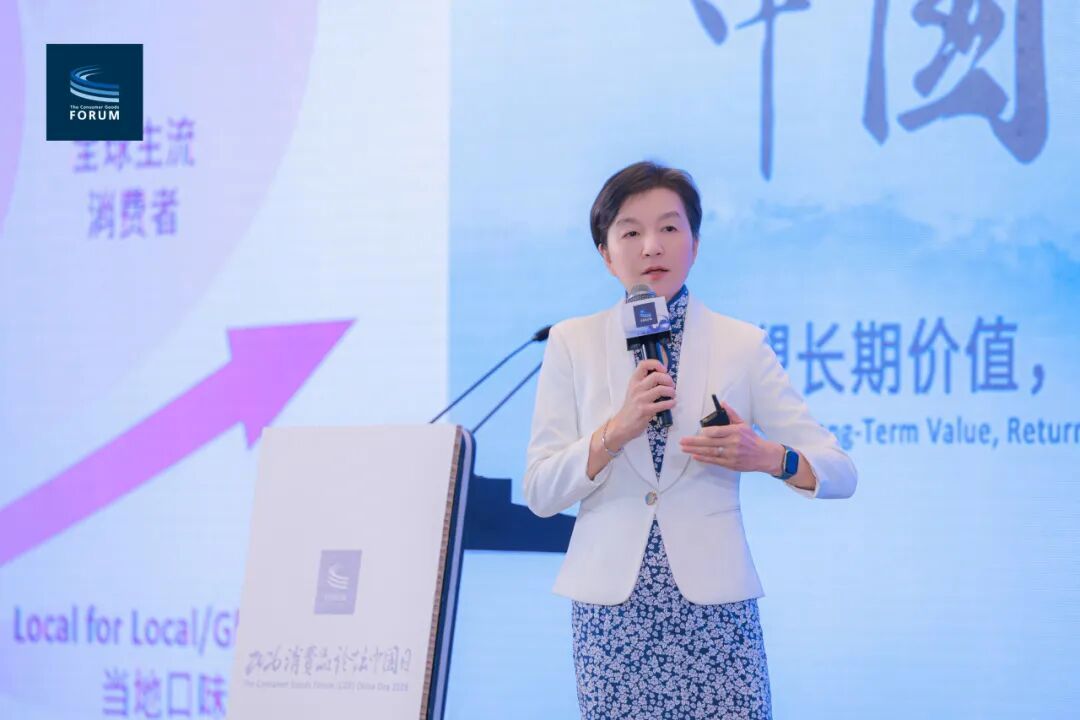
Lee Kum Kee Sauce Global Board Chairman & Chief Executive Officer Julie Xing, Ph.D., delivered a keynote speech on “Consumer-Centric: Creating Value Across the Entire Ecosystem“. Dr. Xing shared Lee Kum Kee Sauce’s perspective on the future development of the food industry, linking them to China’s 15th Five-Year Plan for consumption upgrading and broader industry trends. Dr. Xing highlighted that consumers today are experiencing a threefold awakening of value, awareness, and health. Consumers are more proactive in researching product ingredients before buying, and seeking out low-sugar, low-salt and low-fat options. Consequently, health consciousness is shifting from a premium selling point to a default industry expectation.
Dr. Xing said, “Faced with increasingly diverse consumer demands, no single company can succeed in isolation. Consumer goods companies must build a comprehensive innovation portfolio over the next three to five years, spanning the entire value chain — from products and consumption scenarios to experience, channels, and business models. Only by breaking down silos and collaborating through cross-sector co-creation can we put consumers at the centre and forge new pathways for industry growth through shared value creation.”
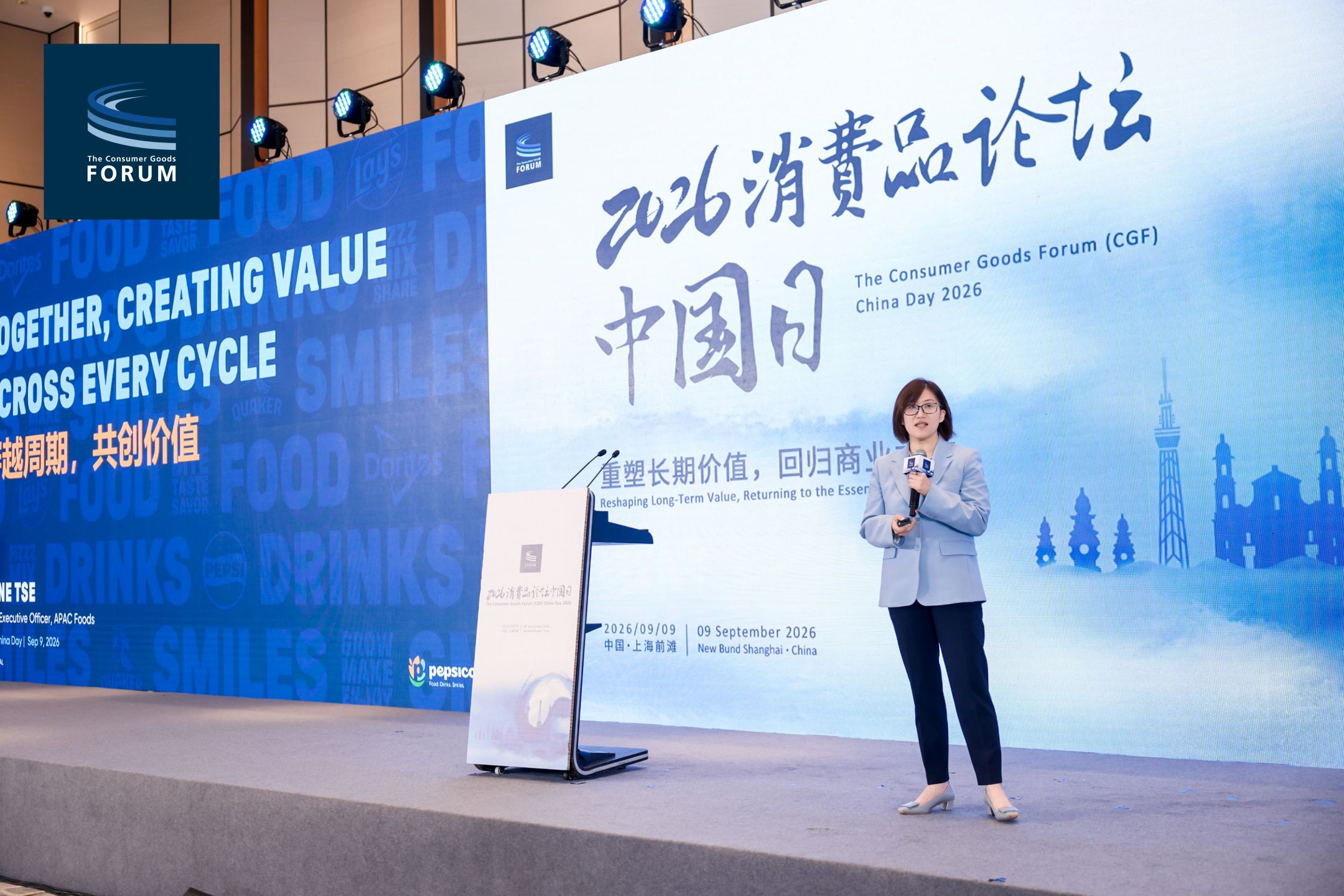
Ms. Anne Tse, Chief Executive Officer of PepsiCo Asia Pacific, delivered a keynote speech on ‘Together, Creating Value Across Every Cycle’. While economic cycles continue to evolve, consumer needs remain constant in their presence yet continue to change. By staying consumer-centric, strengthening business resilience, and collaborating across the ecosystem to amplify growth opportunities, companies can better identify emerging inflection points in consumer needs, create differentiated innovations that deliver greater value to consumers, and drive sustainable, long-term growth for both categories and the broader industry.
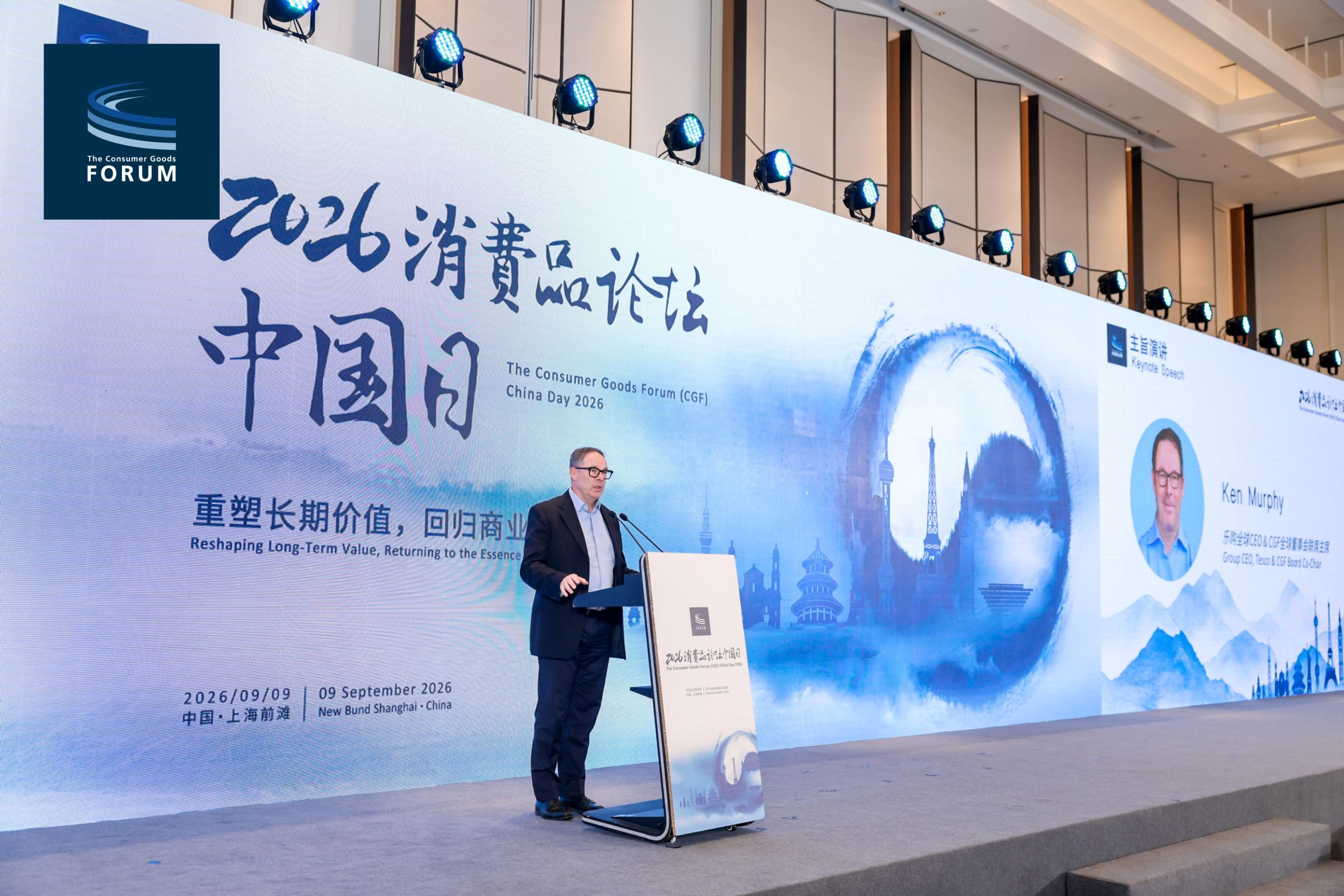
Mr. Ken Murphy, Group CEO, Tesco & CGF Board Co-Chair, shared his observations on global consumer goods industry trends. He noted that the industry is facing multiple challenges, including AI transformation, climate change, and an aging population, while China’s progress in innovation is astonishing. He emphasized that the biggest pressure on retailers and brands comes from “trust” and that CGF should actively promote the industry in delivering high-quality, healthy, transparent, and traceable products. Tesco is increasing investment in its loyalty platform, building an AI-driven consumer engagement engine, and partnering with leading global brands to create an end-to-end ecosystem. He stated that China is the world’s most competitive market, and succeeding here means succeeding elsewhere. Chinese companies are transforming from imitators into innovators, and more brands will take the global stage in the future.
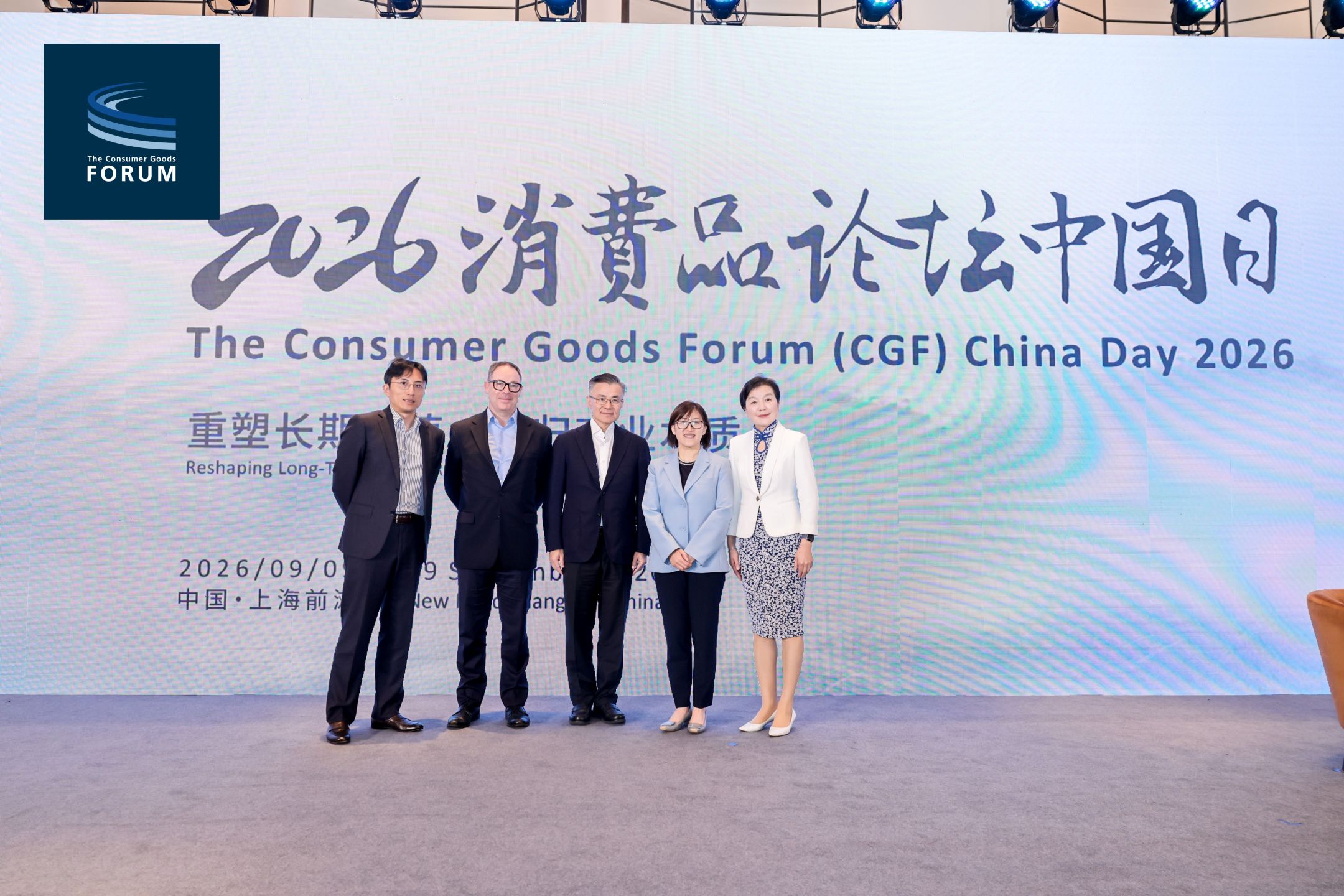
In the panel discussion themed “Reshaping Growth Logic, Co-Creating Long-Term Value,” Mr. Derek Deng, Senior Partner and Head of Bain’s Consumer Products and Retail practices in Greater China, served as the moderator. He was joined by Mr. Ken Murphy, Group CEO of Tesco and CGF Global Board Co-Chair; Mr. Pu Shaohua, Chairman of Bailian Group and CGF China Board Co-Chair; Ms. Anne Tse, CEO of PepsiCo Asia Pacific; and Dr. Julie Xing, Global Board Chairman and CEO of Lee Kum Kee Sauce, for an in-depth discussion on four core topics:
- structural opportunities in consumer demand in the new cycle,
- scaling innovation,
- industrial implementation of AI, and
- corporate globalization.
The panelists agreed that companies should take consumer insight as their “North Star” and always return to real demand. Internally, they should promote supply chain collaboration and product and service innovation to unlock structural growth opportunities; externally, they should connect with a broader ecosystem of partners to co-create high-quality growth, and, with long-termism, continuously build consumer trust and accumulate sustainable brand value.
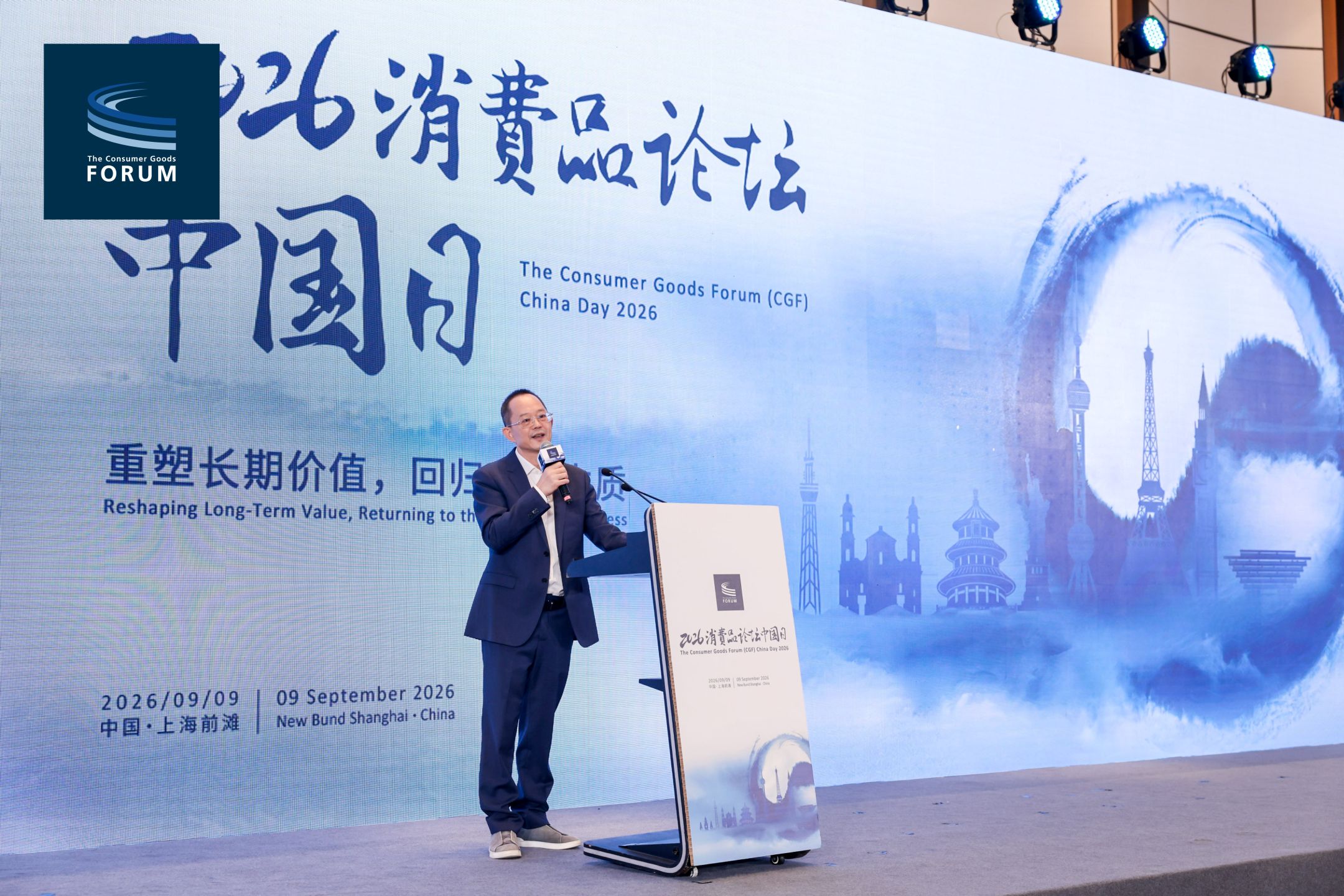
Mr. Cangang Zhang, Secretary of the Party Leadership Group and Director of the Expo Administration Bureau of the China (Shanghai) Pilot Free Trade Zone Administrative Committee, attended the conference and delivered the closing remarks for the morning session.
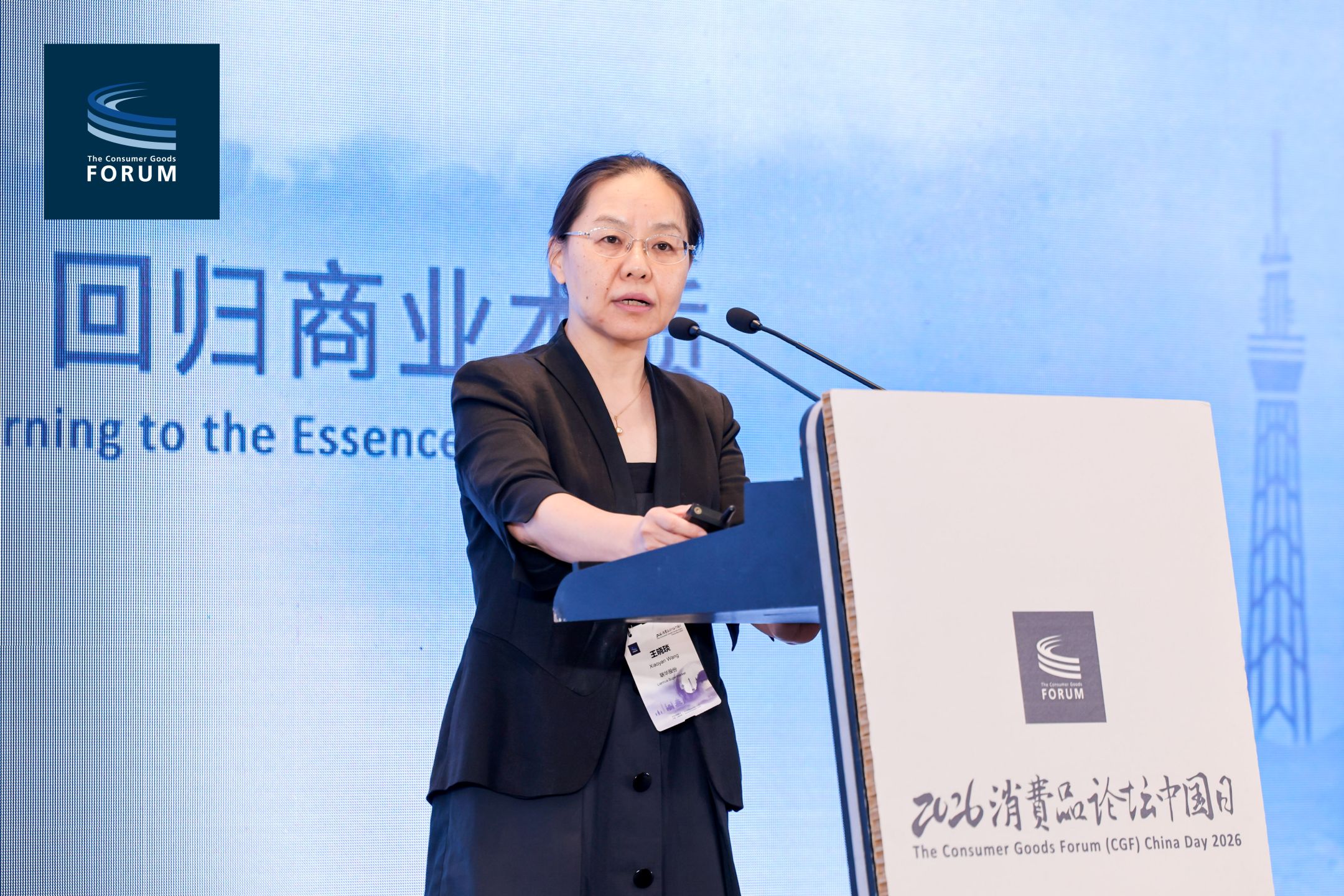
Ms. Xiaoyan Wang, Vice Chairman, Executive Director, General Manager, Lianhua Supermarket, stated that amid the wave of healthy consumption, Lianhua is evolving from a guardian of the public’s “vegetable basket” and “rice bag” into a trusted “health recommendation ambassador” by consumers’ side. She shared Lianhua’s practices and reflections in the field of healthy consumption, the core of which revolves around four dimensions: “foundation, bridge, engine, and alliance”. With foundation as the base, it relies on source bases and digital supply chains to solidify the cornerstone of quality; with bridge as the vein, it brings healthy shelves and four major consumption scenarios to life through more than 3,000 outlets; with engine as the driving force, it deepens retailer-supplier collaboration to jointly drive the quality leap in healthy consumption; and with alliance for the long term, it joins hands with partners to build a sustainable healthy industry community. She particularly noted that she hopes to rely on the framework of the CGF global platform to join hands with more like-minded partners in retailer-supplier collaboration, bringing healthy quality products to more family dining tables and conveying the concept of green sustainability to more consumers.
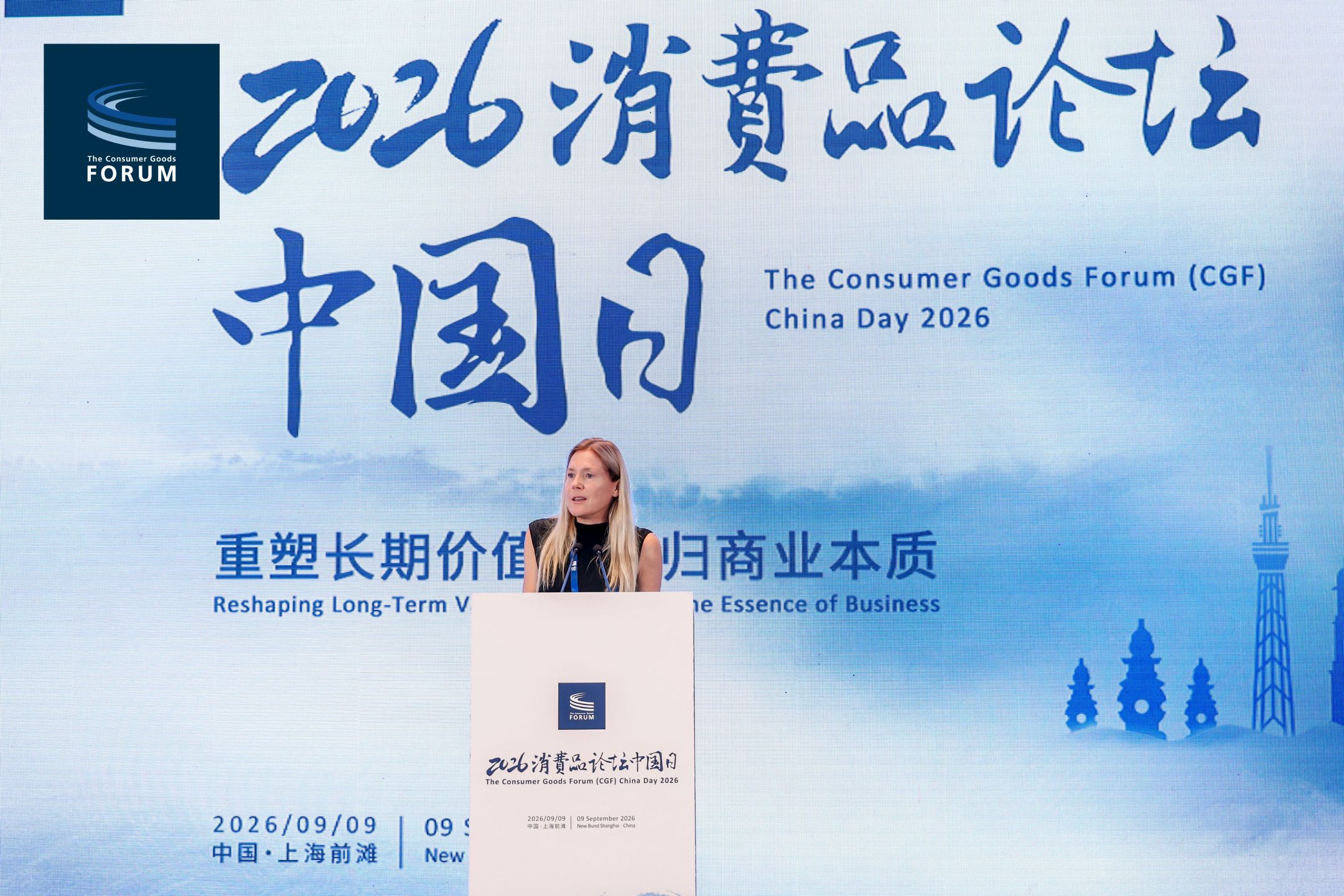
Ms. Isabelle Hannedouche, Chairwoman & General Manager of Sodexo Greater China, delivered a speech titled “Leverage New Technology to Transform Your Facilities into Destinations of Choice” exploring how technology can move beyond innovation to create real, sustainable value. She pointed out that the real value of technology is not in what it can do, but in how it helps us return to the essence of business and create long-term value for the people we serve. For her, this is what Tech to Serve Better means: leveraging new technology to turn facilities into Destinations of Choice. At Sodexo, they are bringing this to life through business-led smart offering and tailor-made technology solutions — from smart cashiers and cooking robots in Food Services, to robotic automation and sensor- based data dashboards in Facilities Management Services.
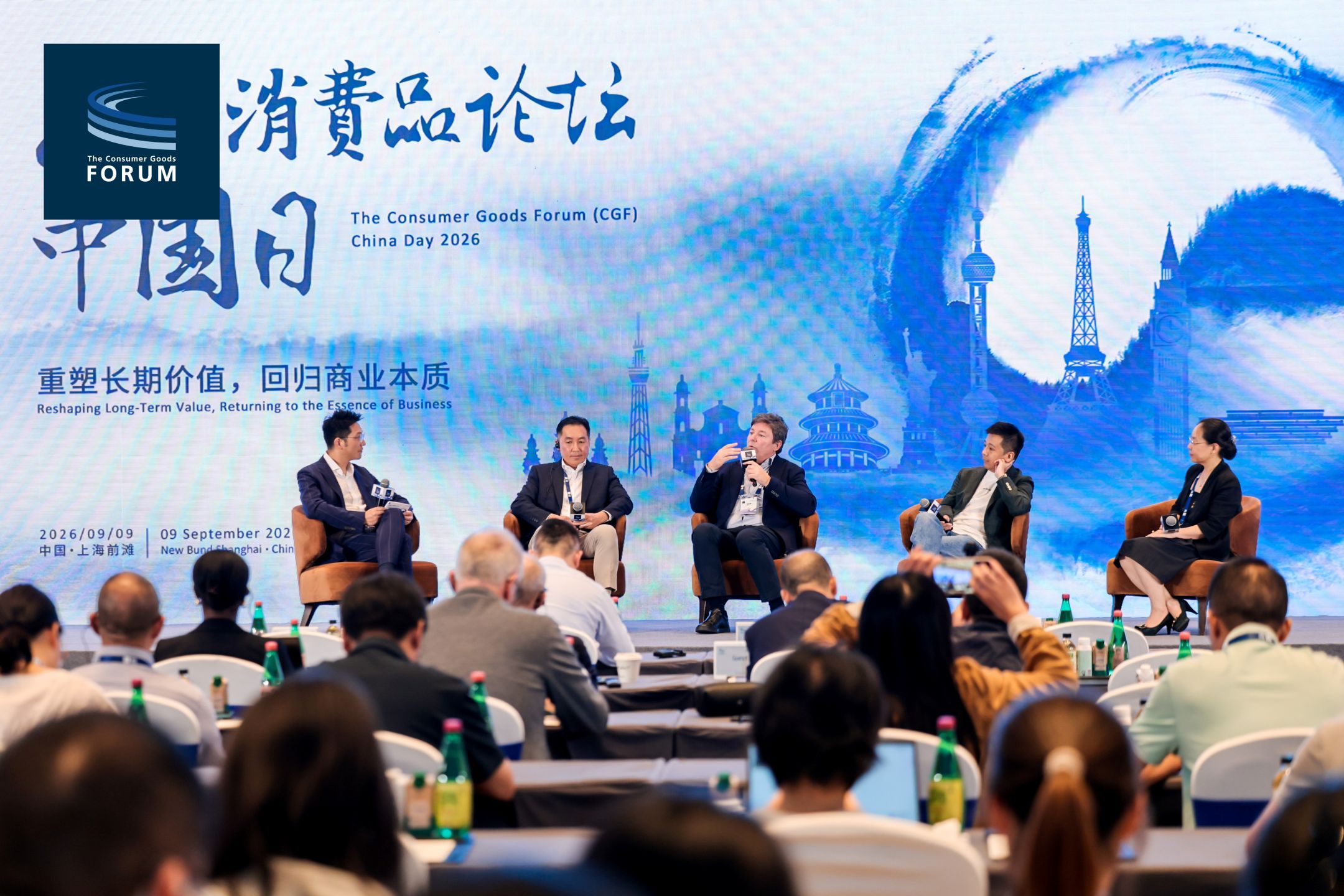
In the panel discussion themed Channel Restructuring·Format Renewal — Retailer-Supplier Collaborative Innovation and Incremental Breakthroughs in the New Consumption Cycle, Mr. Roger Hu, Managing Director & Partner of Boston Consulting Group (BCG), served as the moderator. He was joined by Mr. Kais Marzouki, Chairman and CEO of Nestlé Greater China; Mr. Song Wang, CEO of Dingdong (Cayman) Limited; Mr. Jae Moon Chun, Global Vice President & General Manager for Asia of Driscoll’s; and Ms. Xiaoyan Wang, Vice Chairman, Executive Director and General Manager of Lianhua Supermarket. The in-depth discussion centered on four core dimensions:
- refined consumer-person-goods-scene matching,
- differentiated brand innovation and channel layout,
- development trends of private-label brands,
- and collaborative innovation between retailers and suppliers.
The participating guests generally agreed that China’s consumer market has entered a new phase of stock competition and highly diversified consumer groups. Consumer demands are featured by fragmented scenarios, rising health awareness and diversified preferences, and industrial growth no longer relies on the standalone efforts of individual enterprises. The retailer-supplier relationship has evolved from traditional shelf-based competition to scenario-based co-creation. Deeply exploring segmented consumption scenarios, realizing precise product-channel matching, building differentiated private-label brands, and advancing cross-industry collaborative innovation will become core paths to unlock long-term growth and achieve industrial breakthroughs in the new consumption era.
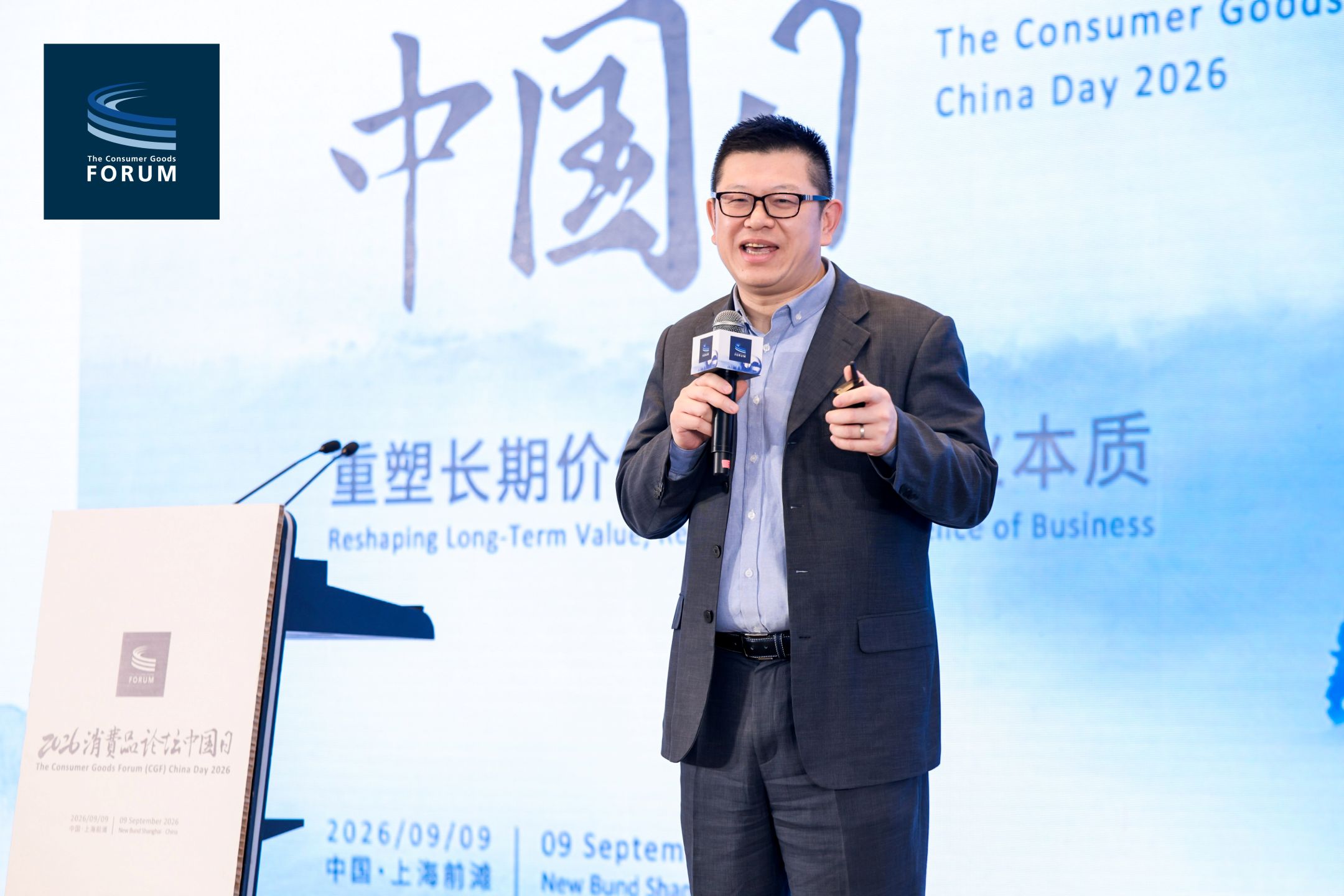
Mr. Haibin Wu, General Manager of FamilyMart China, stated that amid iterative consumer demands and intensified involution in offline retail, FamilyMart is committed to transforming its stores from the traditional “last mile” of retail into a user-centric “first-life space”. He shared FamilyMart’s practical achievements in digital transformation and AI empowerment from three dimensions: scenario optimization, product upgrading and user operation. The brand has reshaped in-store spatial value, adopting AI-powered smart store systems to realize intelligent inspection, automatic replenishment and data-driven business diagnosis, significantly improving operational efficiency and in-store consumer experience. It prioritizes product refinement and authentic lifestyle value, leveraging direct sourcing from origins, optimized category selection and technological upgrading to launch differentiated blockbuster products that meet consumer demands for healthy, fresh and convenient dining options. Meanwhile, it strengthens emotional connection with users through short-video marketing, IP cooperation and refined community operation, and empowers front-line services, content marketing and user management via AI tools to achieve full-link operational efficiency improvement. He emphasized that consumer-centricity lies at the core of retail business. FamilyMart will continue to consolidate its competitive barriers through digitalization and human-machine collaboration, creating warmer retail spaces, more precise products and services, and closer user bonds.
At this year’s CGF China Day event, the Chinese version of the” The Consumer Goods Forum Annual Report 2025” jointly authored by Kearney and the CGF, was officially released. Against the backdrop of economic volatility, geopolitical pressures, and multiple environmental and social challenges facing the global consumer goods industry, the report systematically reviews the various collaborative achievements of the Consumer Goods Forum through its coalitions of action, industry solutions, and acceleration areas, and compiles industry practices and regional implementation cases across sectors including climate transition, AI application, packaging circularity, food safety, supply chain resilience, and food waste governance.
The report fully demonstrates the entire process of the industry moving from conceptual consensus to practical implementation, clearly identifies the key development directions for the industry in 2026, and provides a detailed practical framework and decision-making reference for global retailers and manufacturers to seize the development opportunities of sustainable transformation and digital technology, engage in cross-enterprise non-competitive collaboration, and build a highly resilient consumer goods value chain.
In the panel discussion themed Digital Integration Across Omnichannel Retail-AI Empowers Full Industrial Chain Upgrade, Mr. Xiaolong Liu, Senior Partner of Kearney, acted as the moderator. He held in-depth discussions with Mr. Carl Su, Vice-President of General Mills International and President & Managing Director of China and North Asia, and Mr. Wu Haibin, General Manager of FamilyMart China, focusing on high-value AI application scenarios in retail and FMCG industries, pain points in large-scale AI implementation, business process empowerment, as well as human-machine collaboration and organizational capability upgrading. The two guests noted that AI application in the retail industry has moved beyond sporadic trial use, while the industry generally faces a value trap of “extensive deployment with limited practical output”. Value-driven AI implementation must be deeply embedded into full-link business operations and address real operational pain points. Instead of pursuing AI transformation for technological sake, enterprises should leverage AI to empower product innovation, business decision-making, supply chain optimization, content compliance and user operation. Adhering to the logic of business-led development, scenario-based verification and human-machine collaboration, enterprises can achieve upgrading from isolated efficiency improvement to full-link closed-loop optimization, and continuously build long-term core competitiveness in the digital era.
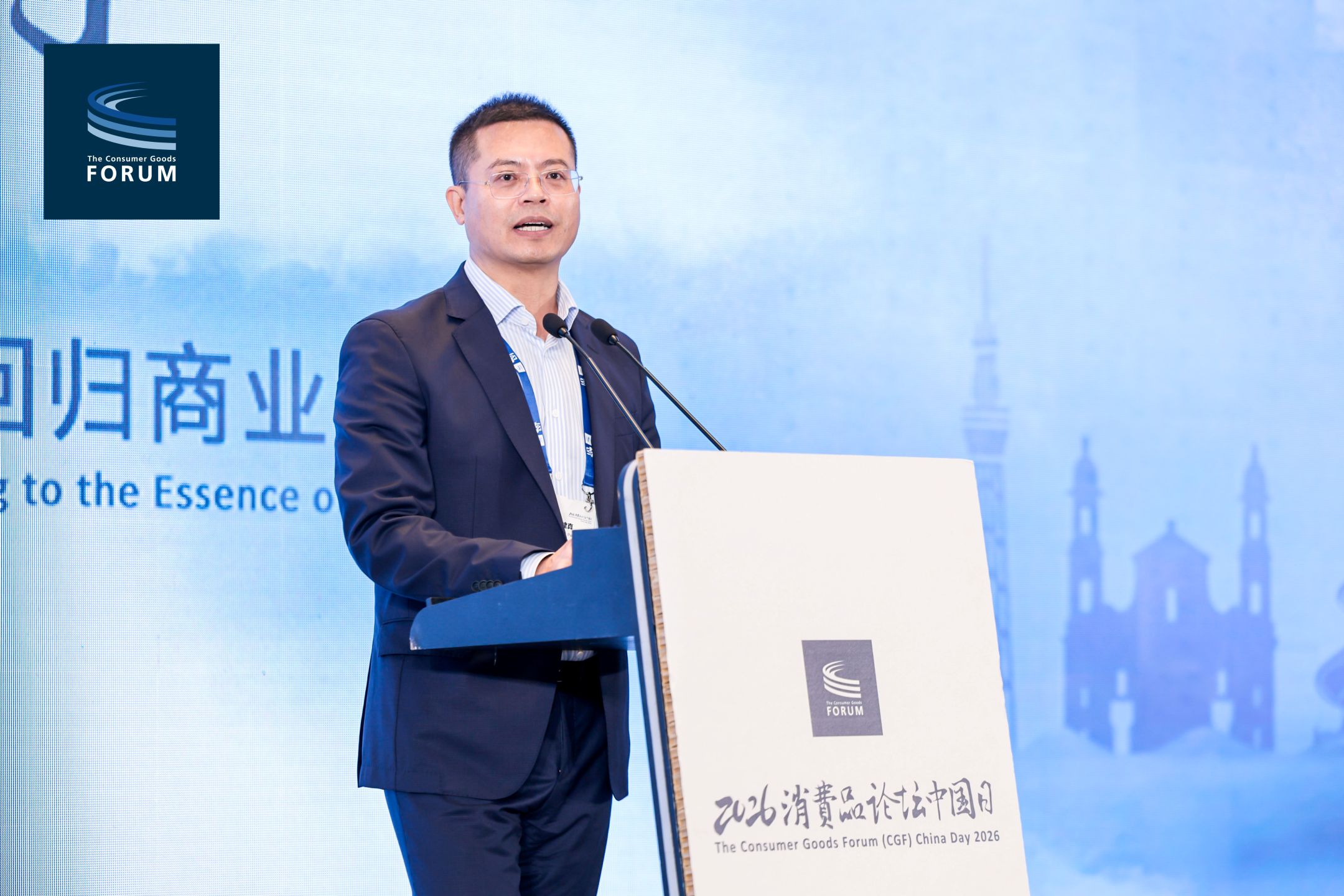
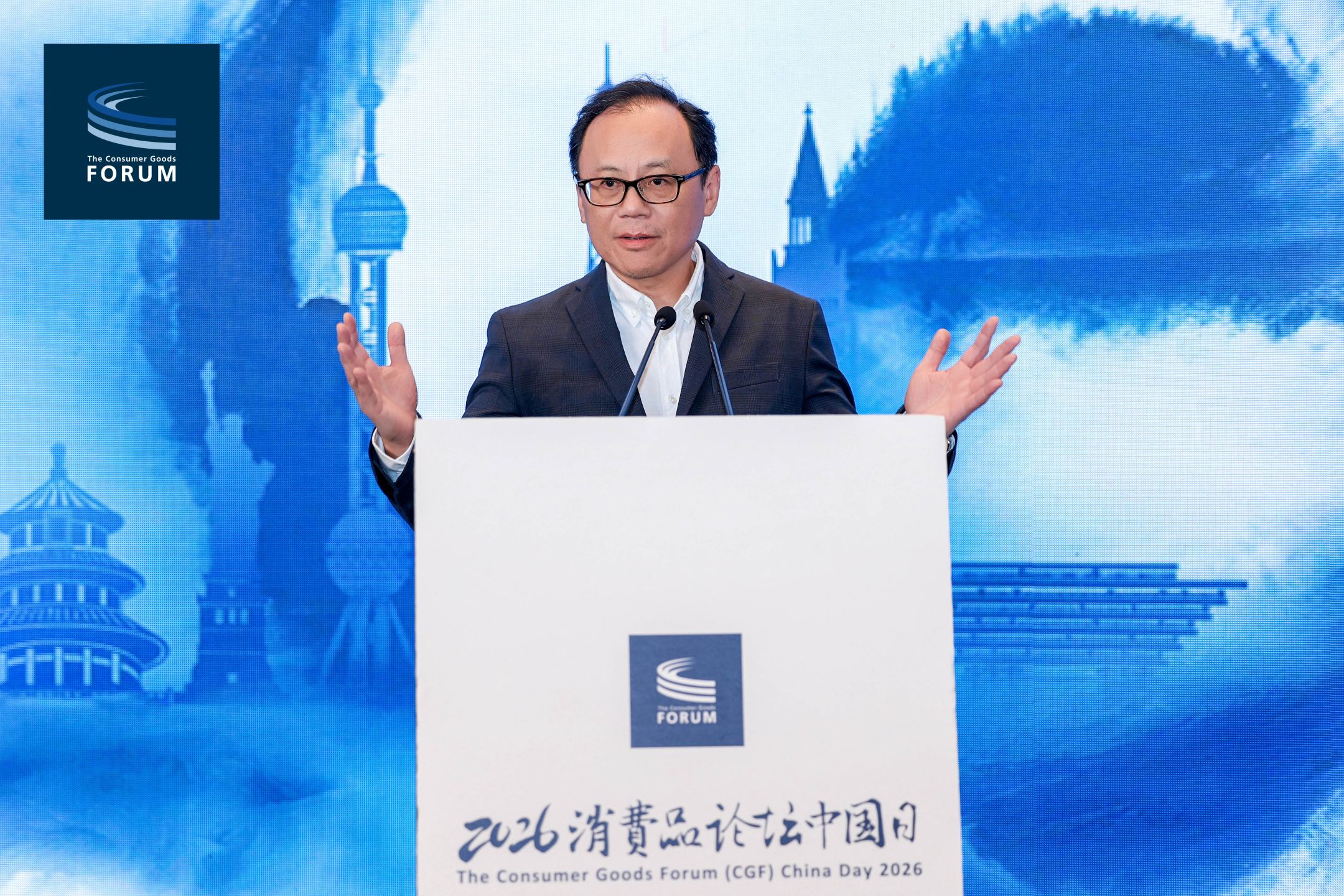
Mr. Shaohua Pu, Chairman of Bailian Group and Co-Chair of the CGF China Board, congratulated the conference on its successful conclusion and, on behalf of the CGF Global Board and the China Board, expressed sincere gratitude to all participating member companies, sponsors, and partners from all sectors. He stated that as a leading enterprise in Shanghai’s retail and distribution sector, Bailian will focus on advancing three key areas in the future:
- first, creating world-class urban commercial landmarks, with the No. 1 Department Store on Nanjing Road as the core benchmark, to upgrade the consumer experience;
- second, deepening the integration of culture, commerce, tourism, sports, and exhibitions to create more “debut, premiere, and first exhibition” scenarios; and
- third, exploring commercial paradigms for urban renewal, with a focus on developing the “Bailian Suhe” waterfront commercial district.
At the same time, he welcomed ecosystem partners to bring their innovative practices to Bailian’s commercial spaces. He emphasized that he looks forward to using China Day as a new starting point to join hands with more industry partners, closely align with consumption upgrade trends, and deepen cooperation in areas such as food safety, healthier lives, sustainability and end-to-end value chain, so that the value of the CGF platform can continue to amplify and the vitality of the Chinese market and global industry wisdom can empower each other in both directions. He looks forward to meeting again in Shanghai in 2027.
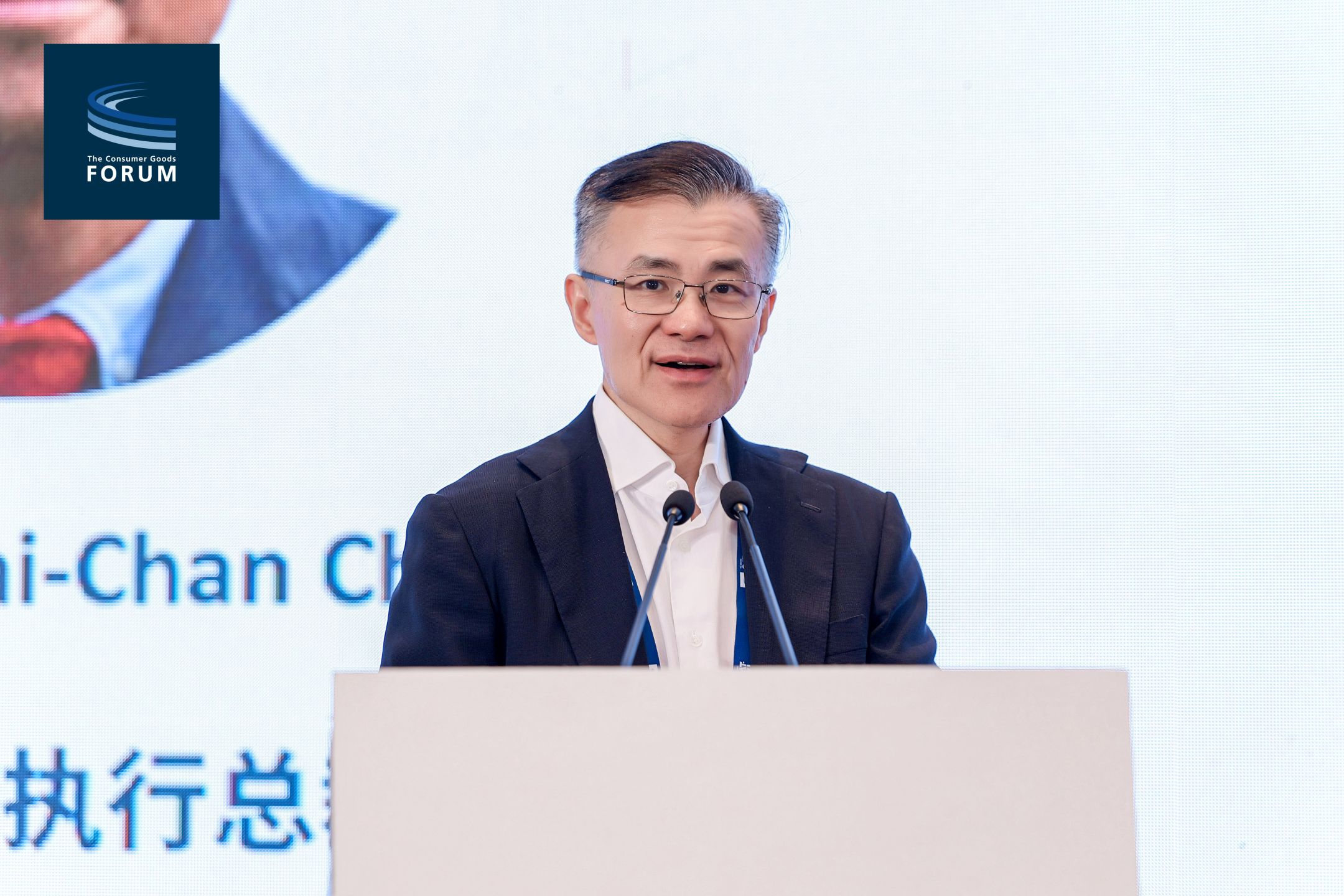
Mr. Wai-Chan Chan, Managing Director of CGF, said in his conference summary that it had been a highly rewarding day with positive and enthusiastic feedback on site. He acknowledged that the world today faces many disruptions and challenges, and China is no exception, but he firmly believes that China possesses strong resilience and has significant advantages in technology implementation, deployment speed, and responsiveness, enabling it to stand out in this storm. He emphasized that China’s market potential remains enormous, and new technologies such as AI will bring more possibilities.
As a platform, CGF will continue to promote understanding, learning, and sharing among members, helping companies improve their businesses and expand cooperation, including the currently much-discussed topic of going global. He thanked all speakers, sponsors, and participants, and gave a preview of CGF’s 2027 global series of events,
looking forward to meeting everyone again.
After the plenary session concluded, following a brief coffee break and networking, the invitation-only CGF China Focus Area Salons were held. These salons included: the GFSI China Food Safety Salon, the CGF China Healthier Lives Salon, and the CGF China Golden Design Rules Salon.