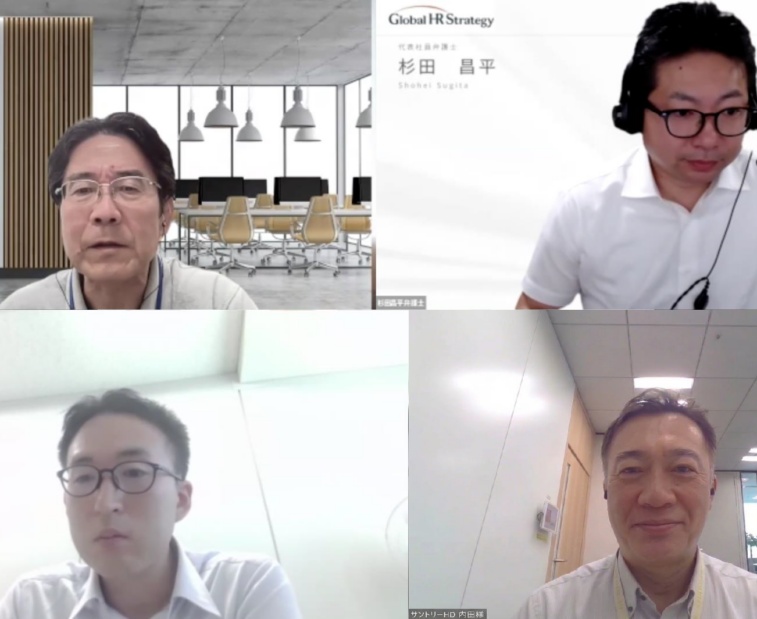
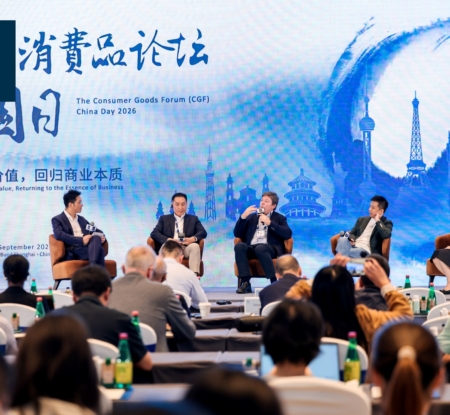
On 9 July 2024, our Japan Social Sustainability Working Group hosted an online seminar for over 320 participants. The 95-minute session featured practical guidance from the Ministry of Health, Labour and Welfare, Global HR Strategy Law Firm, and Suntory Holdings Limited.
During the session, the expert speakers highlighted three critical takeaways for business leaders to prepare for the 2027 rollout:
From technical training to skill development
Japan’s new programme explicitly focuses on human resource development and recruitment to help address severe labour shortages. Coming into force in April 2027, the scheme replaces the previous Technical Intern Training Programme.
Eligible occupations will link to Specific Skilled Worker Category 1 across 17 sectors, including food and beverage manufacturing. The programme provides a pathway for workers to reach Specified Skilled Worker standards over three years.
To promote workplace integration, phased Japanese language targets have been set, and receiving companies will cover the costs of these training courses. Under specific conditions, workers can also request job transfers within the same category after one to two years of employment.
Legal governance and corporate risk
Under the new scheme, the responsibility for compliance lies directly with the receiving company, not the supervising organisation. Companies need to establish robust governance across their entire recruitment chain.
Out-of-pocket expenses paid by foreign workers to home-country recruitment agencies are strictly capped at two months’ salary in Japan. Discovering excessive or opaque charges can result in the revocation of a company’s Training and Employment Plan certification.
If a plan is revoked, the government will make the company’s name public. The company will also face a complete five-year ban on accepting new foreign workers, which poses a substantial risk to business operations.
Closing the gap with international standards
Global guidelines, such as those from the ILO, advocate for a “zero worker cost” principle. While Japan’s new two-month fee cap is progress, the remaining gap with international standards remains a challenge for global supply chains.
To help standardise cost items, our Social Sustainability Working Group in Japan developed the Breakdown of Recruitment Fees and Cost Allocation Guidance. This format categorises recruitment fees by stage, clearly distinguishing between items the company covers and items the worker covers.
This guidance equips receiving companies with the concrete evidence they need to negotiate transparently with recruitment agencies. Sustainable talent acquisition relies on close collaboration between HR and sustainability departments to build these robust governance frameworks.
Contact our regional Japan team to access a copy of guidance created by our Social Sustainability Working Group in Japan, find out more and get involved in this work.