-
SSCI Recognition
Building trust in social and enviromental standards worldwide.

All schemes
Recognised, conditionally recognised and in the benchmarking progress across all social and environmental scopes.




All schemes are listed below as:
- Recognised (per scope): Schemes that have successfully passed the SSCI benchmark for the respective scope.
- Conditionally Recognised: This form of recognition signifies that the scheme is recognised, provided that specific corrective actions to address minor gaps that do not compromise the scheme’s overall alignment with the SSCI requirements will be completed within an agreed-upon timeline.
- In the Benchmarking Process: Schemes may choose to be displayed as currently undergoing benchmarking to show their commitment to meeting industry expectations.
Monitoring of Continued Alignment Process (MoCA)
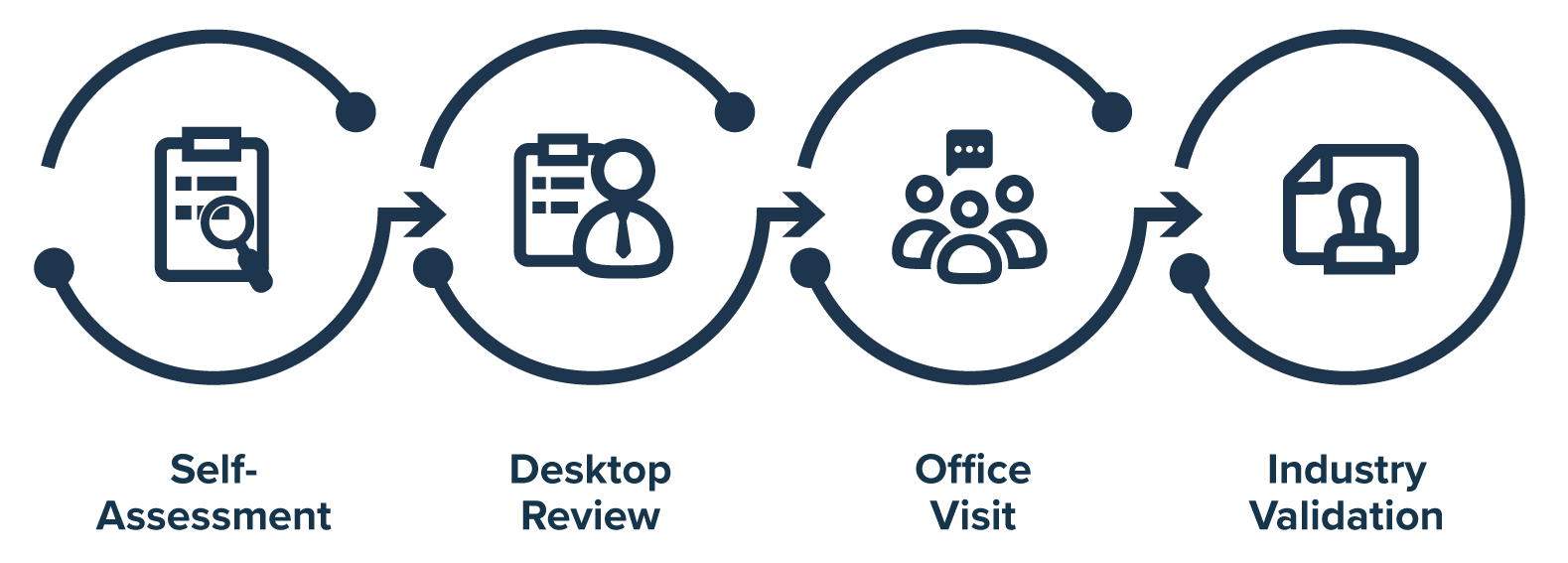
The Benchmark Process is based on continuous alignment and will therefore have annual assessments to check the continued alignment with the mandatory SSCI Benchmark Requirements on an annual basis (SSCI Integrity Programme). The monitoring is performed by the independent Benchmark Leader (usually who performed the initial benchmark of the scheme) under the supervision of the SSCI manager. The steps of the yearly Monitoring of Continued Alignment (MoCA) process are:
Recognised schemes
Social Compliance: Manufacturing & Processing
Social Compliance: Primary Production (including aquaculture)
Social Compliance: At Sea Operations
Conditionally recognised
All social and environmental scopes
In the benchmarking process
All social and environmental scopes
Steps of the benchmarking process

Ethiopian Horticulture Producer Exporters Association (EHPEA)
Social Compliance: Primary Production (including aquaculture)

Fairtrade Standard for Flowers and Plants
Social and Environmental Compliance: Primary Production (including aquaculture)


Flor Ecuador Plus Certified®
Social Compliance: Primary Production (including aquaculture)

Florverde Sustainable Flowers
Environmental Compliance: Primary Production

Rainforest Alliance
Social Compliance: Manufacturing & Processing and Primary Production (including aquaculture)