We’ve always relied on farmers to provide us with food. Today, we’re now relying on them to be providers and stewards of a more sustainable food system. That’s a huge challenge, alongside many others that growers are facing – from extreme weather to rising production costs.
So how can we help? We talked to farmers and found something we could provide. Equipping them with an easy-to-use tool to track, address and ultimately reduce their food loss can help them utilise more of what they grow and cut the carbon emissions and environmental impact of the food system.
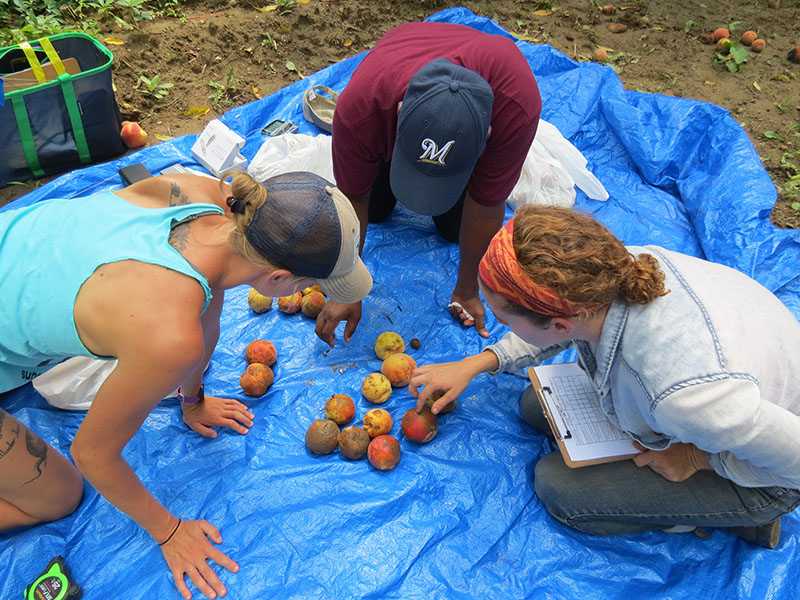
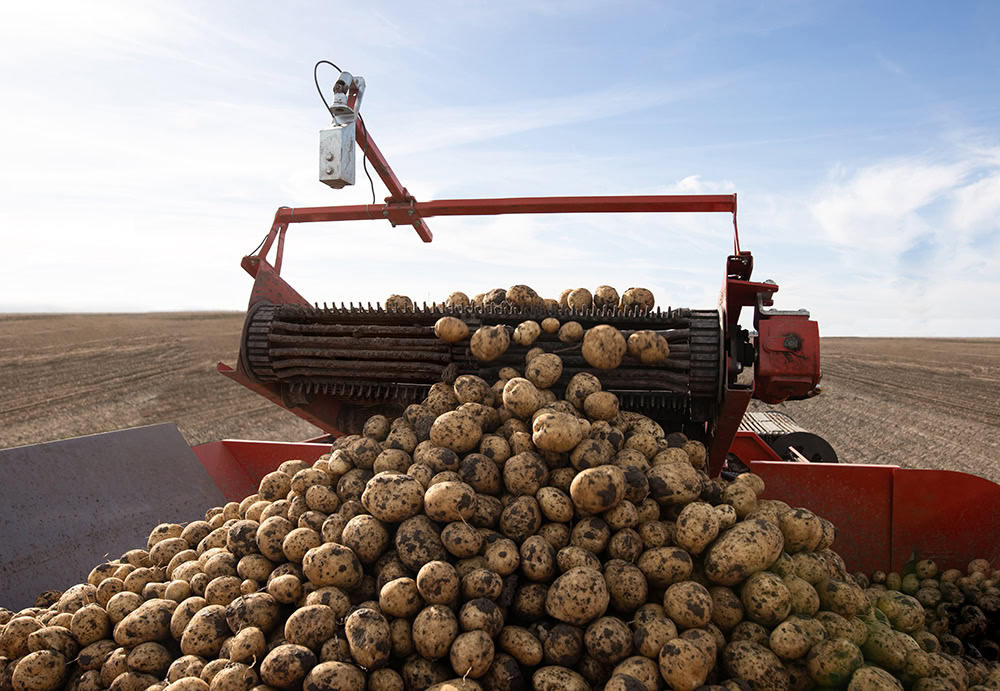
As much as 1.2 billion tonne,– 15% of all food produced – is lost on farms during, around and after harvest. That represents a mountain of vegetables, fruit, grains and more, on a scale that could feed the world’s 870 million undernourished people four times over. And as growers themselves would tell you, it also represents a dispiriting waste of the land, water and energy that they put towards growing that food. Producing food that no one eats unnecessarily adds further stress on nearby ecosystems and climate-changing emissions into the atmosphere.
Economically, these ongoing losses each harvest mean wasted labour and inputs such as fertilisers and water for growers. In fact, it’s been estimated that farmers could achieve up to a 20% increase in profit, by reducing their on-farm food losses.
Tackling and reducing on-farm food losses makes absolute sense for growers and the planet. Yet many factors drive food loss, many of which are beyond growers’ direct control. Labour shortages and lack of market access, for instance, can result in edible crops being left unharvested in the field or left in storage where they spoil.