Production landscapes

Transforming sourcing areas into forest positive landscapes requires action that goes beyond individual supply chains. The Coalition is advancing this by supporting landscape and jurisdictional initiatives (LJIs), with the aim of scaling up collaborative action across areas equivalent to its members' combined production footprint by 2030. These landscapes are essential for protecting forests, conserving biodiversity, strengthening climate resilience, and supporting local livelihoods.
Key figures and impact
 30
30
Active initiatives
 9
9
Countries
 4
4
Commodities: Soy, Palm oil, PPP & Beef
How members and partners are contributing
Members are driving systemic change by providing direct funding to a growing portfolio of landscape initiatives across key sourcing regions. To ensure transparency and track success, the Coalition has partnered with SourceUp. Their platform allows all supported initiatives to report their maturity status and progress using a common framework.
-
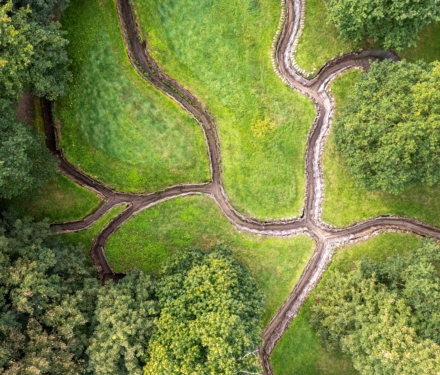
Why focus on landscapes
Landscapes are not only critical for forest protection and restoration, but also for climate stability, biodiversity and the livelihoods of local communities
-
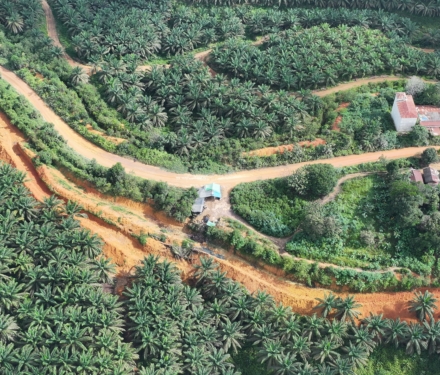
Our progress as of 2025 reporting
The portfolio consists of 30 active initiatives as of 2026.


Our resources


Active landscapes initiatives

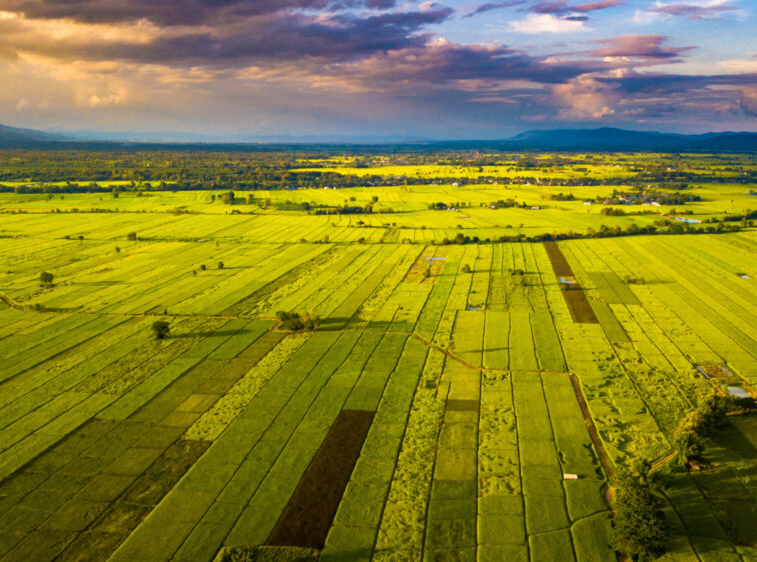
Sustainable landscapes partnership
The Sustainable Landscapes Partnership (SLP) is a joint initiative between the World Business Council for Sustainable Development (WBCSD), Soft Commodities Forum, and the Consumer Goods Forum’s Forest Positive Coalition. It brings together agri-commodity traders, consumer goods manufacturers, and retailers within an investment framework that is currently operating in Brazil’s Cerrado biome.
We focus on supporting resilient landscape models that are:
- government-led;
- farmer-supported;
- corporate-anchored and;
- based on common MRV and KPIs for aggregated program-level reporting, aligned with leading global frameworks.
So far, $10 million in co-funding has already been allocated to around 700 farms, covering more than 750,000 hectares, for the next three years.